
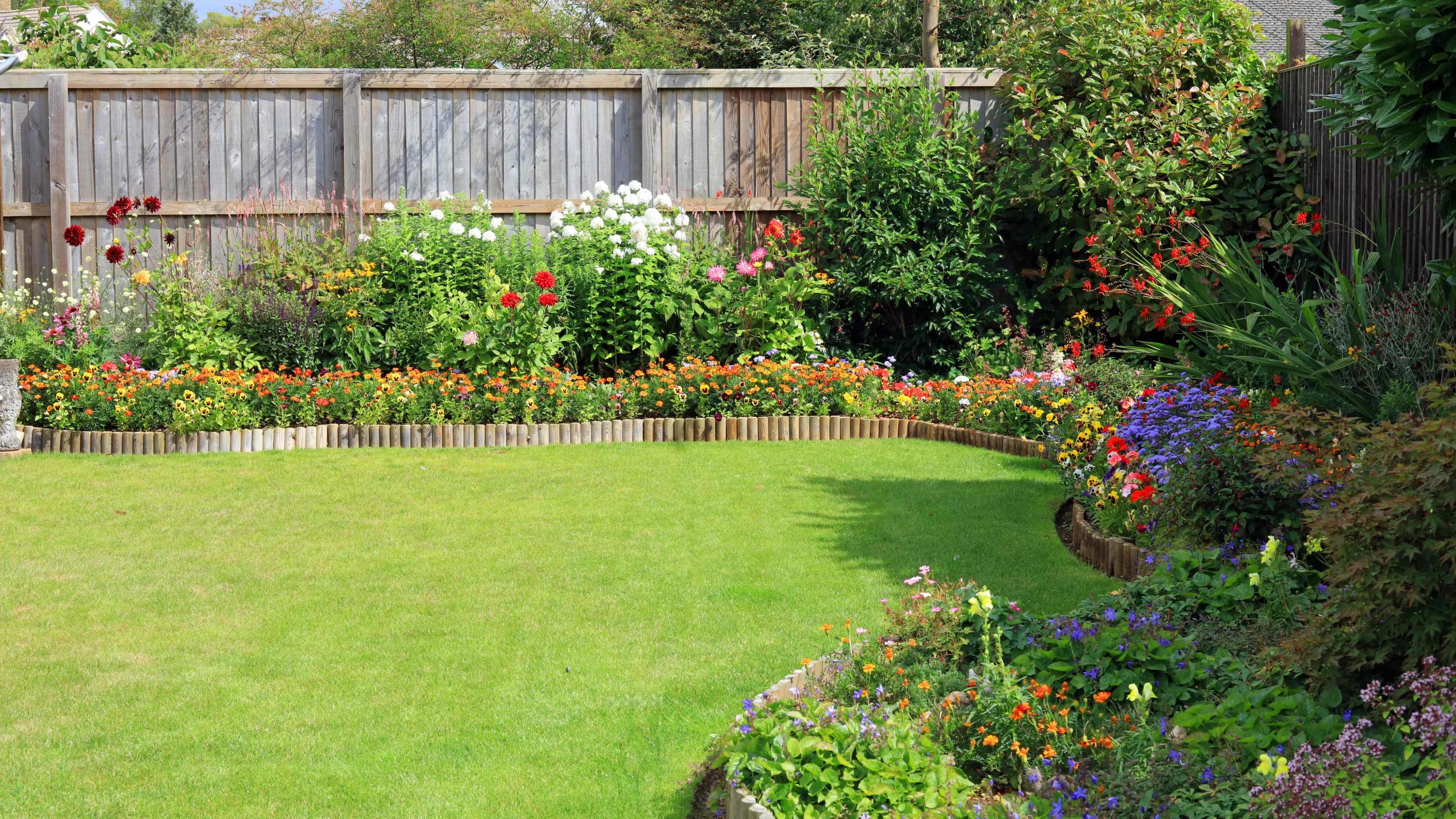
This is your in-depth monthly guide to lawn care!
At TopGrass, we know that we have to work in partnership with our customers to be able to achieve a lush green lawn. So to help our customers we have provided our handy monthly guide to the lawn care jobs that you can do, alongside our services, to help keep your lawn in top condition all year round!
January is a time of year when you will not need to be out on the lawn every day. The cold temperatures will slow grass growth and will therefore stop the need for regular mowing.
The plummeting temperatures of January will cause regular frosts, during this time, you should avoid walking on your lawn, as this can cause lasting damage to your grass by snapping the grass plant.
However, January is the perfect time of the year to make sure that your lawn mower has been serviced, and that its blades have been sharpened to ensure it is ready to go when the growing season returns!

What To Do
Watch Out For
During the winter, conditions are perfect for moss to thrive and spread across your lawn. The damp and cold weather allows moss to establish itself, whilst the grass plant is dormant. To help stop this spread of moss, TopGrass applies a moss control during the winter months to dehydrate and inhibit the moss from growing.
In February, you may be required to mow the lawn if we have a particularly mild winter. If you do need to mow the lawn, then we would recommend only mowing the lawn in dry and frost-free conditions. You will also need to raise your mower height to at least 2-2.5 inches to ensure you do not stress the grass plant by tearing it.
You can also use this period to assess your lawn for signs of lawn diseases, such as fusarium patch. Once you have identified any lawn diseases, you can plan treatments to tackle these problems.

What To Do
Watch Out For
During the winter months, we apply a moss control treatment containing iron to dehydrate existing moss and inhibit further spread. This treatment blackens the moss, making it easier to remove through scarification in spring whilst helping to control the problem before the growing season begins.
We offer various winter treatments for example, all our packages include the End of Season treatment service. Our enhanced package goes one step further, click here to find out more.
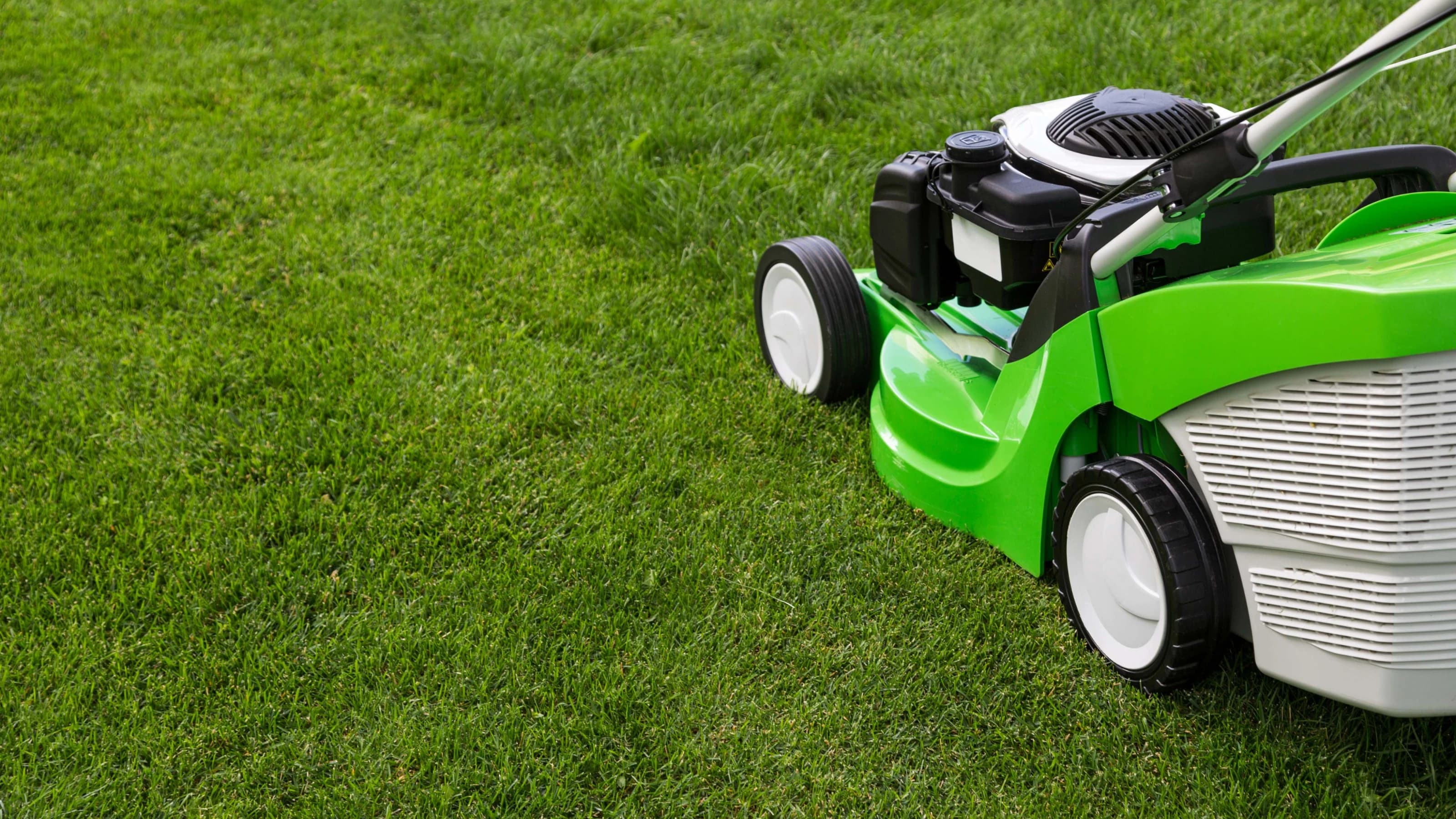
As temperatures start to rise in March, your grass will start to grow again. This means that you will have to dust off that mower that has been in the garage for the winter months and give your grass its first cut of the season. You will need to cut your lawn at a height of 2-2.5 inches to avoid potentially scalping the lawn.
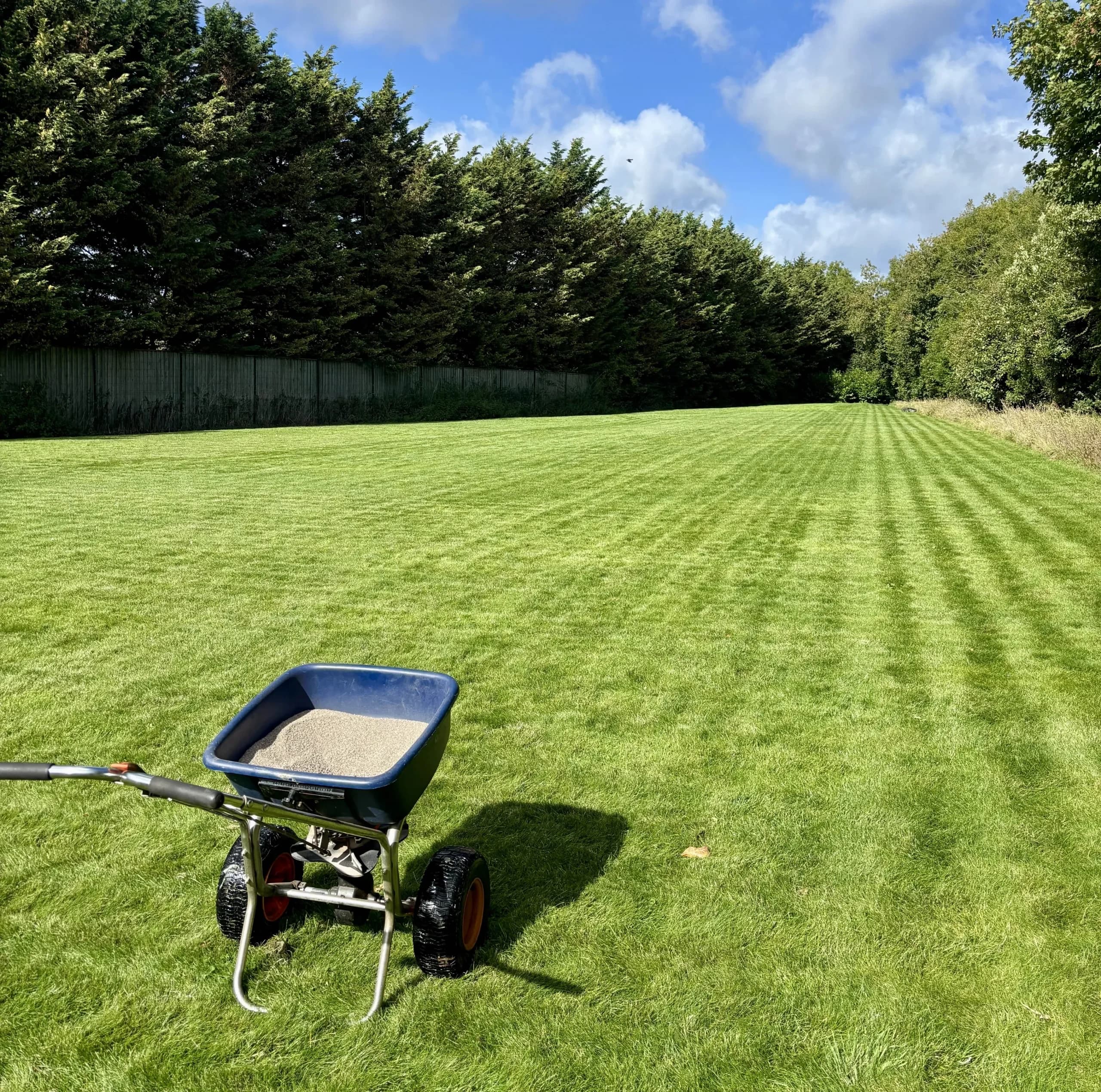
March also signals a great time to give your lawn its first feed of the year. As we enter the growing season, fertilisation will give your grass a much-needed boost at the start of spring. Our Season Starter Treatment contains a fertiliser treatment comprising nitrogen, potassium and magnesium that all combine to encourage growth, improve colour and improve overall plant health.
March is also the month to address any winter damage that has become apparent. Bare patches, areas of sparse growth, and damage from frost or waterlogging are all visible now and should be tackled while the lawn has maximum recovery time ahead of it.
What To Do
Watch Out For
Your first mow of the season is important—get it right and you set a positive tone for the year. Wait for a dry day when the grass is not wet or frosty. Ensure your mower blades are sharp (you did service it in January, didn't you?) as tearing rather than cutting damages grass and invites disease. Set the height to maximum (2-2.5 inches) and resist the temptation to cut shorter, even if the lawn looks untidy. Removing too much leaf area stresses the plant just when it needs all its energy for recovery.
Our Season Starter Treatment provides a carefully balanced fertiliser containing nitrogen for growth, potassium for strength, and magnesium for colour. This combination encourages vigorous spring growth whilst building the underlying health of the grass plant. Applied at this time, it gives your lawn exactly what it needs to make the most of the growing season ahead.
As conditions for grass growth continue to improve throughout April, this is when you can gradually start to lower your mower height. We recommend reducing to a height of 1-1.5 inches over the month. Avoid going below a height of 1 inch as this can scalp your lawn and weaken the grass plant.
Although the improved weather conditions of April benefit our lawn's grass growth, it also means that unsightly weeds will start to creep into your lawn. It is important to tackle weeds during this period so that they do not smother and outcompete your grass for vital nutrients. Our Early Season Treatment, which we apply at this time, includes a selective weed control which helps to reduce and control weed growth.
If your lawn requires it, April is a great time of year to have your lawn scarified if it is struggling with thatch and moss. Scarification removes moss and thatch from your lawn to allow moisture, air and vital nutrients better access to reach the rootzone of the lawn. We offer a variety of scarification packages that can be tailored to your lawn's specific needs.
What To Do
Watch Out For
Scarification is one of the most beneficial treatments you can give your lawn, yet it's often misunderstood or feared. The process involves mechanically removing the layer of dead grass, moss, and organic debris (known as thatch) that accumulates between the grass blades and the soil surface.
When thatch builds up excessively, it becomes a problem. Thick thatch acts like a thatched roof, preventing water, air, and nutrients from reaching the soil and roots where they're needed. It also harbours fungal spores and provides ideal conditions for moss.
Immediately after scarification, your lawn will look worse—sometimes dramatically so. Don't panic. This is normal and temporary. The grass will recover within 4-6 weeks, and the long-term benefits are substantial: better nutrient uptake, improved drainage, reduced moss, and healthier, thicker grass growth.
Our Early Season Treatment includes selective weed control that targets broadleaf weeds like dandelions, daisies, and clover without harming your grass. The herbicide is absorbed through weed leaves and transported to the roots, killing the entire plant rather than just the visible growth. This provides lasting control and helps keep your lawn weed-free through the growing season.
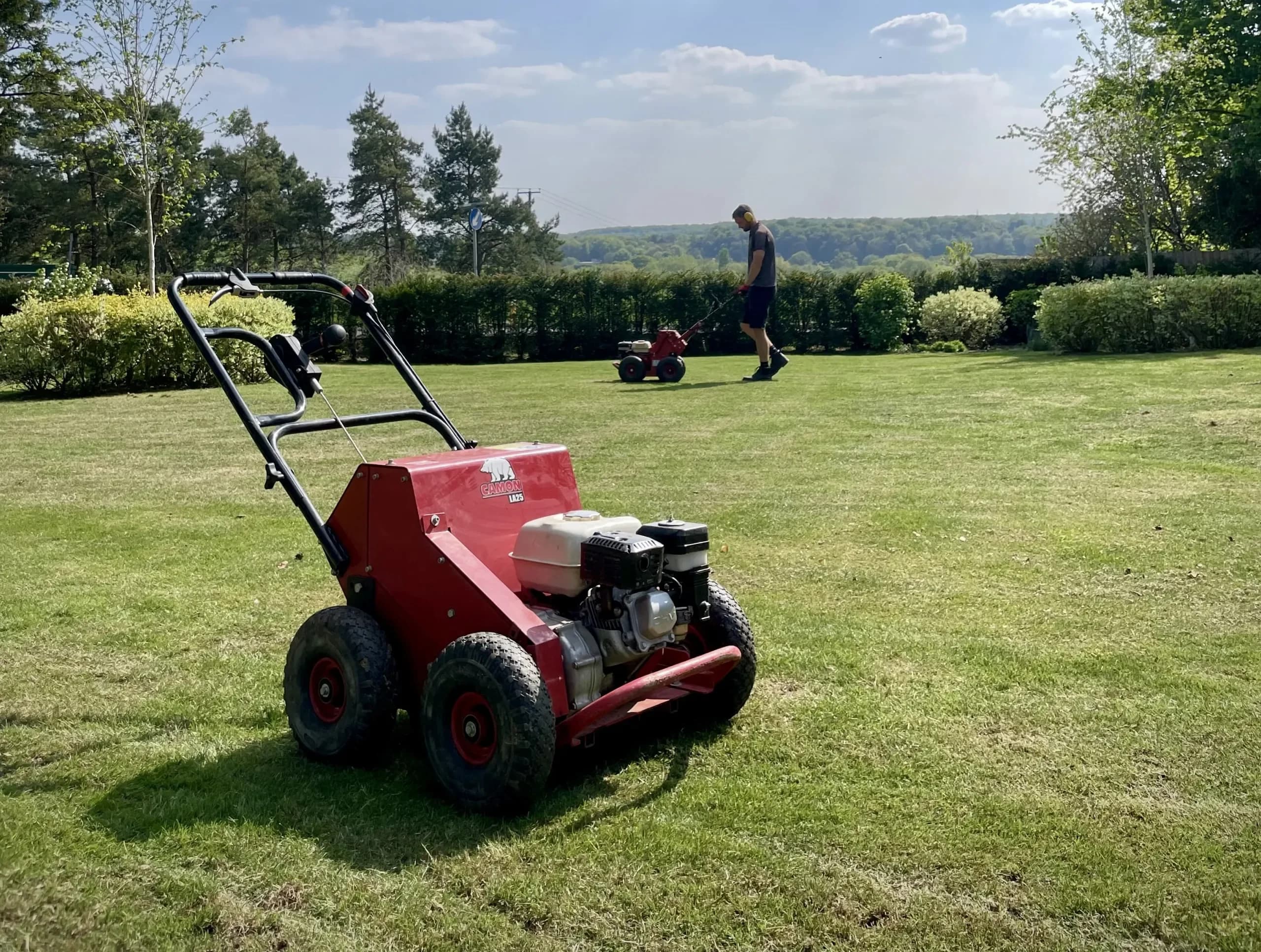
You should continue regular mowing throughout May to keep encouraging grass growth. May is also a perfect time to have your lawn aerated. A lawn aeration will help to alleviate compaction of your lawn by punching hundreds of holes in the lawn. This allows moisture and nutrients to reach the root zone of your lawn. Soil conditions in May will be suited for aeration, as it should be moist from the spring showers but not waterlogged, allowing easy penetration for the aerator tines into the lawn.
May typically offers the best growing conditions of the entire year. Temperatures are warm but not hot, rainfall is usually reliable, and daylight hours are long. Your lawn should be looking its best—lush, green, and growing vigorously. If it isn't, this is the time to investigate why.
What To Do
Watch Out For
Aeration involves creating holes throughout your lawn to relieve soil compaction. There are two main methods. Hollow-tine aeration removes small plugs of soil, leaving cores on the surface that break down over time. Solid-tine aeration simply punches holes without removing soil— which is less disruptive and no need to clear up the cores as it does not produce any. This is the method of aeration that we recommend having!
After aeration, you'll notice that water soaks into the lawn more readily, your grass develops deeper roots, and overall lawn health improves. The effects are cumulative—regular annual aeration gradually transforms compacted, struggling lawns into thriving ones.
The Standard Lawn Care Package is one of our most popular plans, combining regular lawn fertiliser and weed control treatments with a Lawn Aeration, a key service that relieves soil compaction, improves drainage, and encourages deeper root growth. Learn more about Lawn Aeration here.
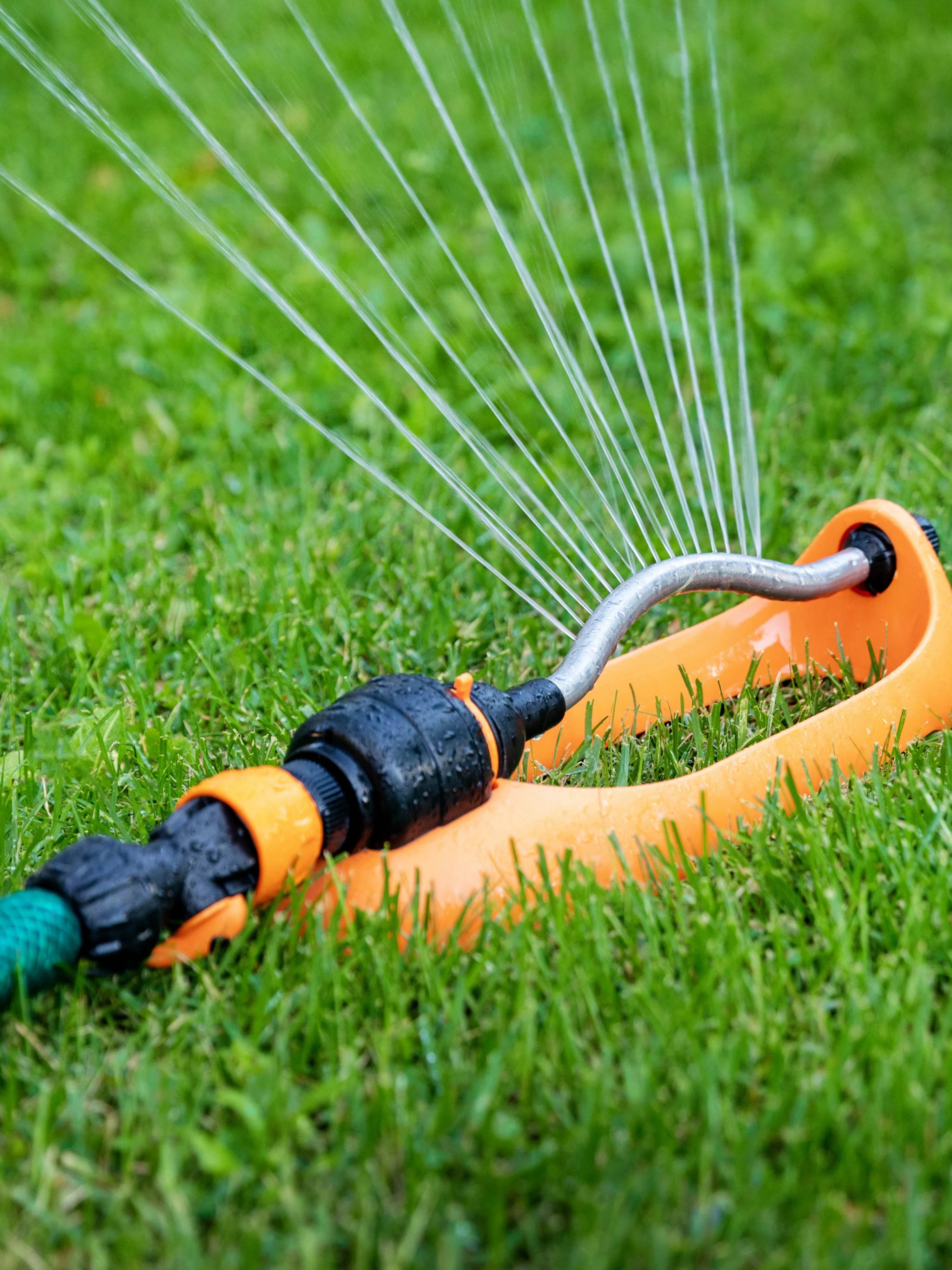
As temperatures rise during June, and with rainfall decreasing, you may need to begin watering your lawn to counteract this. We recommend that you water your lawn every 2-3 days if we have prolonged dry spells. You should water your lawn either in the early morning or late evening, as watering during the middle of the day can scorch and damage your lawn. A sprinkler attachment to your hose is the best way to get an even coverage of your lawn, you should water for roughly 1-2 hours each part of your lawn. You can read more about our watering guidelines by clicking here.
What To Do
Watch Out For
Not sure if your lawn needs water? Walk across it in the evening and look back at your footprints. On a well-hydrated lawn, the grass springs back immediately and footprints disappear within seconds. On a drought-stressed lawn, footprints remain visible for many minutes, the grass lacks the turgor pressure (water pressure inside cells) needed to bounce back. This simple test is more reliable than any schedule.
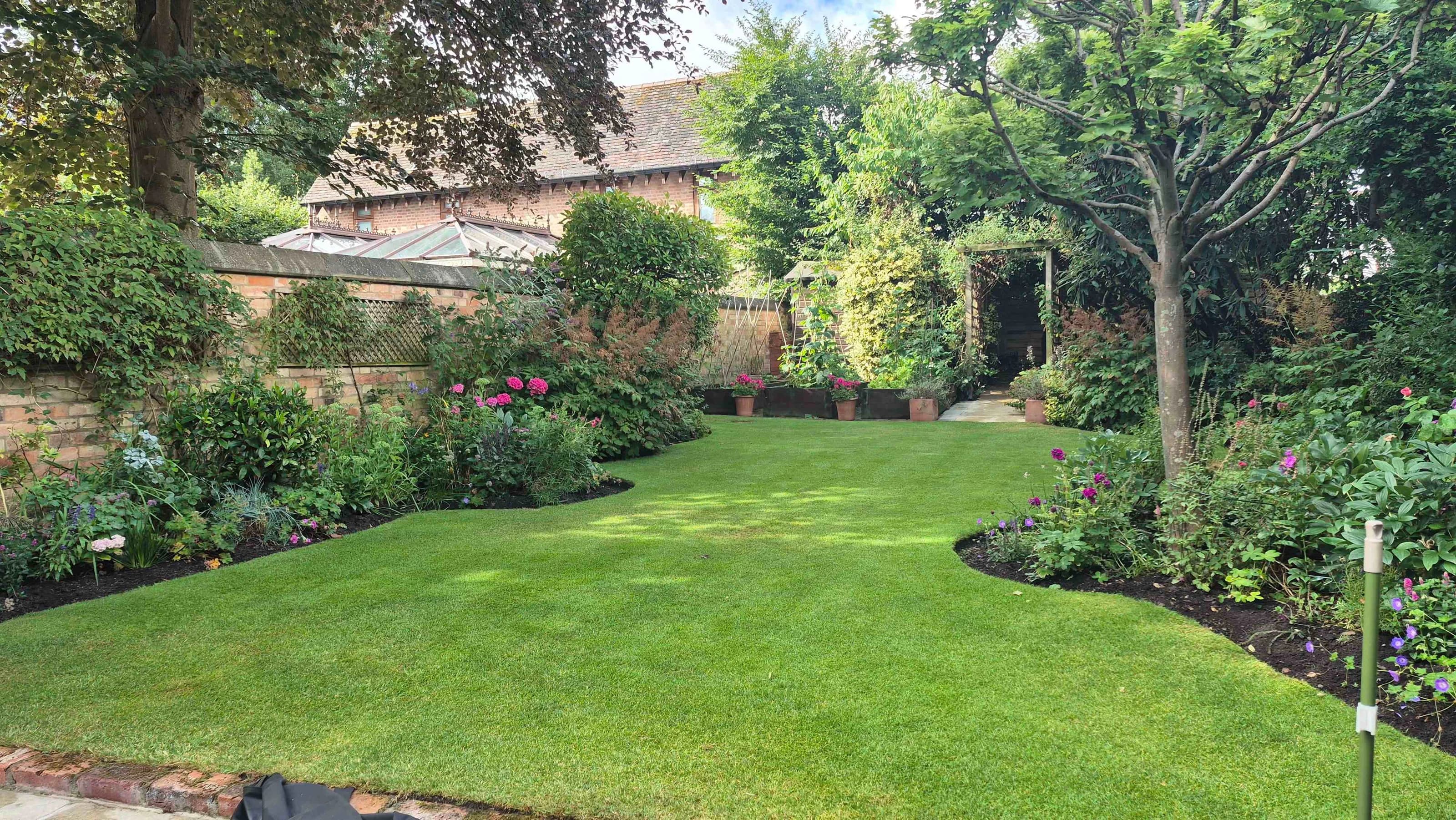
July will see temperatures continue to increase, with conditions getting drier; this will have an adverse effect on the health of your grass. We advise that when mowing during this period, you should raise your mower height to 1.5-2 inches to help prevent scalping the lawn.
If we experience drought-like conditions during July, then the soil of your lawn will become dehydrated and extremely dry. In the worst case, soil conditions can become hydrophobic, meaning that your lawn will actively repel moisture rather than absorbing it. To help counteract this, you can have our Water Conserver Treatment applied to your lawn. This treatment is a wetting agent that helps to improve your lawn's ability to absorb water and also retain moisture. However, this treatment does not serve as a replacement for watering and should be applied alongside a regular watering schedule.
What To Do
Watch Out For
When soil becomes extremely dry, it can develop a waxy coating that actually repels water, a condition called hydrophobicity. You'll notice water beading on the surface like rain on a waxed car, or running off slopes instead of soaking in. Even when you water generously, the moisture doesn't penetrate.
Wetting agents break down this waxy coating, allowing water to penetrate the soil and reach roots where it's needed. If your lawn has developed hydrophobic patches, often visible as brown spots that don't respond to watering, a wetting agent treatment can help restore normal water absorption.
For lawns struggling with drought, we offer our Water Conserver Treatment. This wetting agent improves your lawn's ability to absorb and retain moisture, making the most of any rainfall or irrigation. It's particularly valuable for lawns with sandy soil or those showing signs of hydrophobicity. Note that this treatment supplements but doesn't replace proper watering during dry periods.
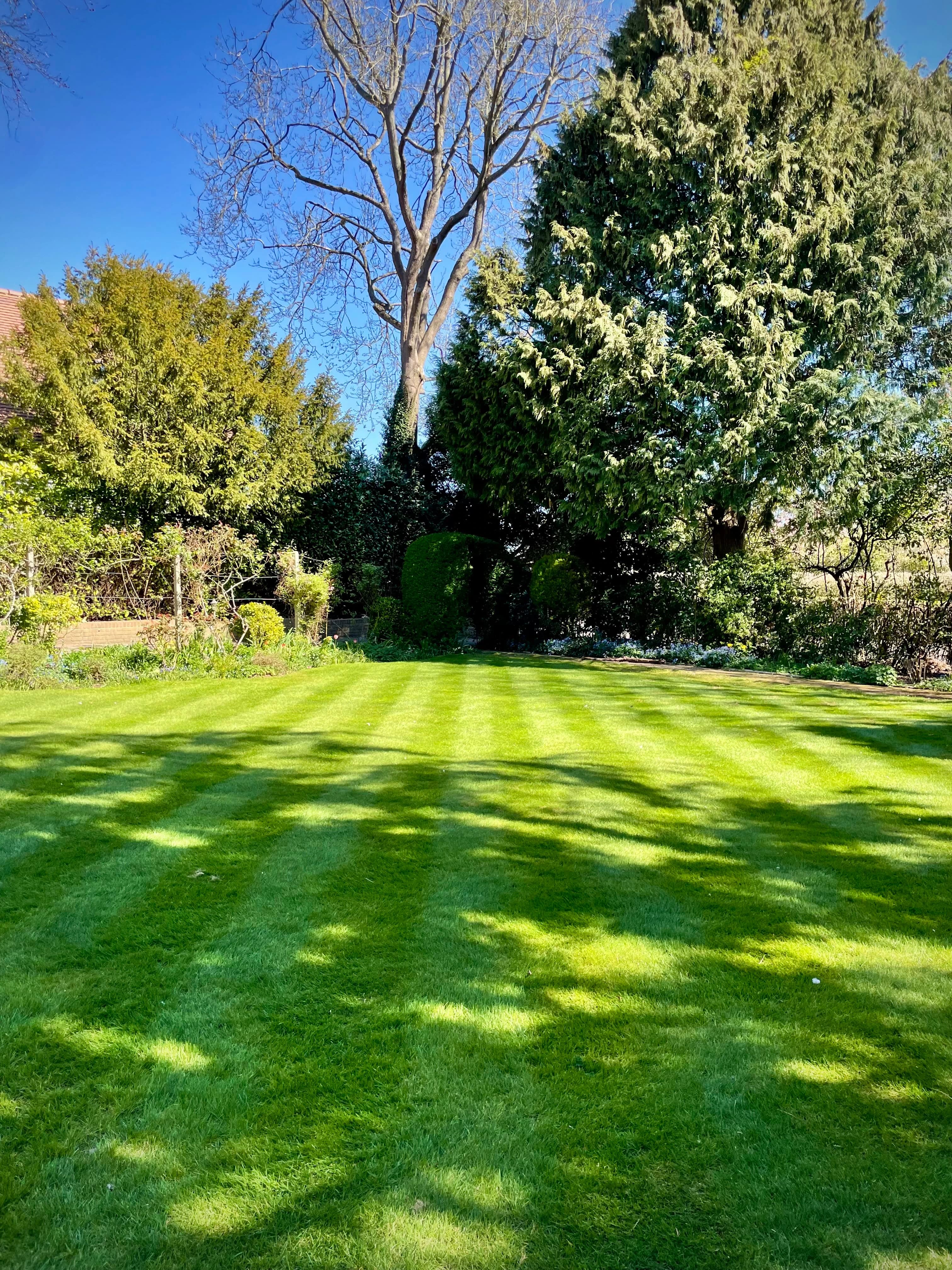
During August, you should continue to water the lawn as recommended by our watering guidelines, whilst also keeping up your mowing schedule, raising the height of your mower if we are experiencing dry spells.
Lawn weeds can continue to be pervasive throughout this month, with creeping, small-leaved weeds like that of speedwell or clover being particularly stubborn. You can manually remove weeds during this period, or you can have a selective weed killer applied, which is a part of our Mid-Season Treatment. This treatment targets bothersome weeds that are spoiling your lawn.
What To Do
Watch Out For
Summer weeds fall into two categories: upright weeds like dandelions that are easily spotted and removed, and creeping weeds that spread horizontally through the lawn. It's the creeping varieties, speedwell, clover, creeping buttercup, and similar species, that cause the most problems in August.
These weeds thrive because they're adapted to the conditions that stress grass. They have shallow but extensive root systems that efficiently capture surface moisture, and their low-growing habit means they're rarely damaged by mowing. Once established, they spread outwards, gradually colonising larger areas.
The best long-term solution is healthy, thick grass that simply outcompetes weeds. But in August, when grass is stressed, selective weed treatment can help knock back weed populations before autumn recovery begins.
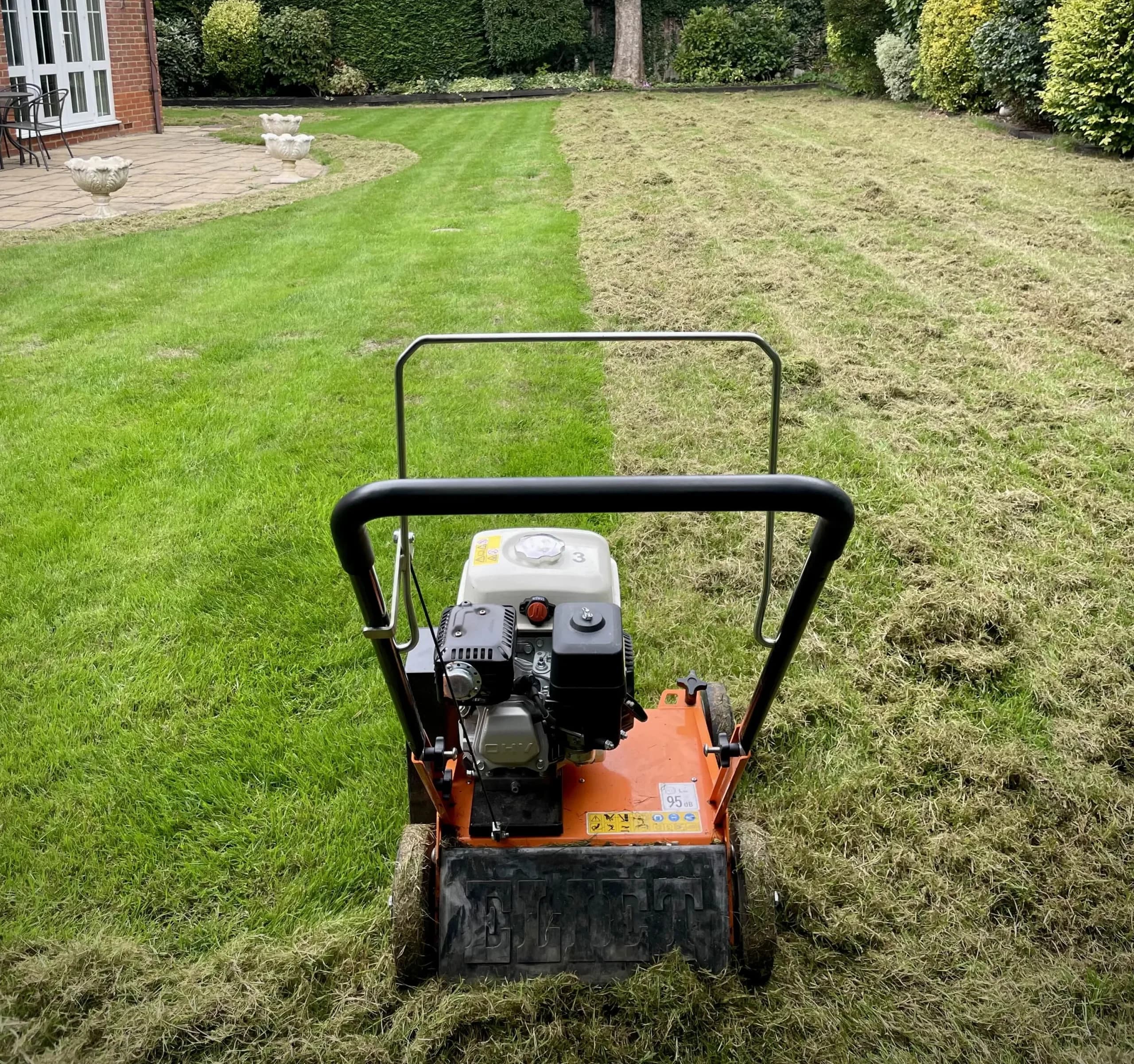
September provides the optimum conditions for renovation work on your lawn. This is because the temperature and rainfall are more consistent during this period, meaning that any seeding is more likely to germinate, and the lawn will have the time to recover before the following spring. You can click here to find our more about the scarification packages we offer
You should continue regular mowing throughout September, as weather conditions mean that your grass will still be growing. We do recommend raising the height of your mower to 2-2.5 inches at the start of this month so that your grass is at an adequate length to deal with the cooler temperatures.
What To Do
Watch Out For
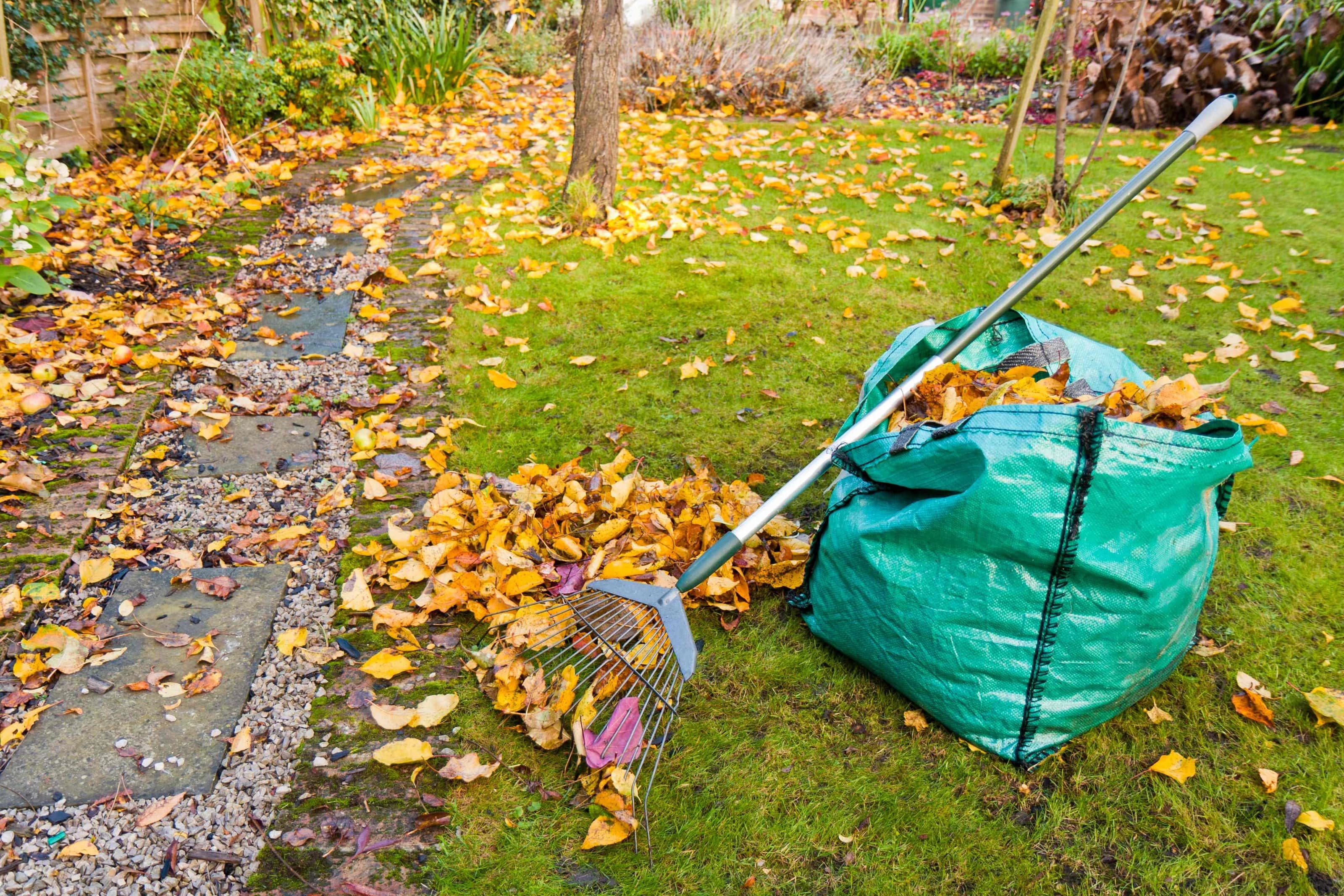
By October, we are well underway into Autumn, and with it, you will notice your lawn becoming blanketed with leaf fall. It is essential to clear leaves from your lawn during this period because if leaves are left to build up on the lawn, they will block sunlight and restrict vital nutrients from reaching your grass. Clearing leaves from your lawn is an easy job that can always be done with a trusted rake. However, you could invest in a leaf vacuum to make this job even easier. Fallen leaves can also be shredded to make a leaf mulch, which can be spread across your borders to help prevent weed growth.
You should also keep an eye out during October for signs of pest damage, in particular leatherjacket damage. This can look like thinning of grass growth in the lawn or areas being dug up by predators such as foxes or badgers looking to eat the leatherjackets. If you do notice you have a leatherjacket problem, TopGrass can help by applying our Grub Control Treatment to tackle these pests. You can click here to find out more about our Grub Control.
What To Do
Watch Out For
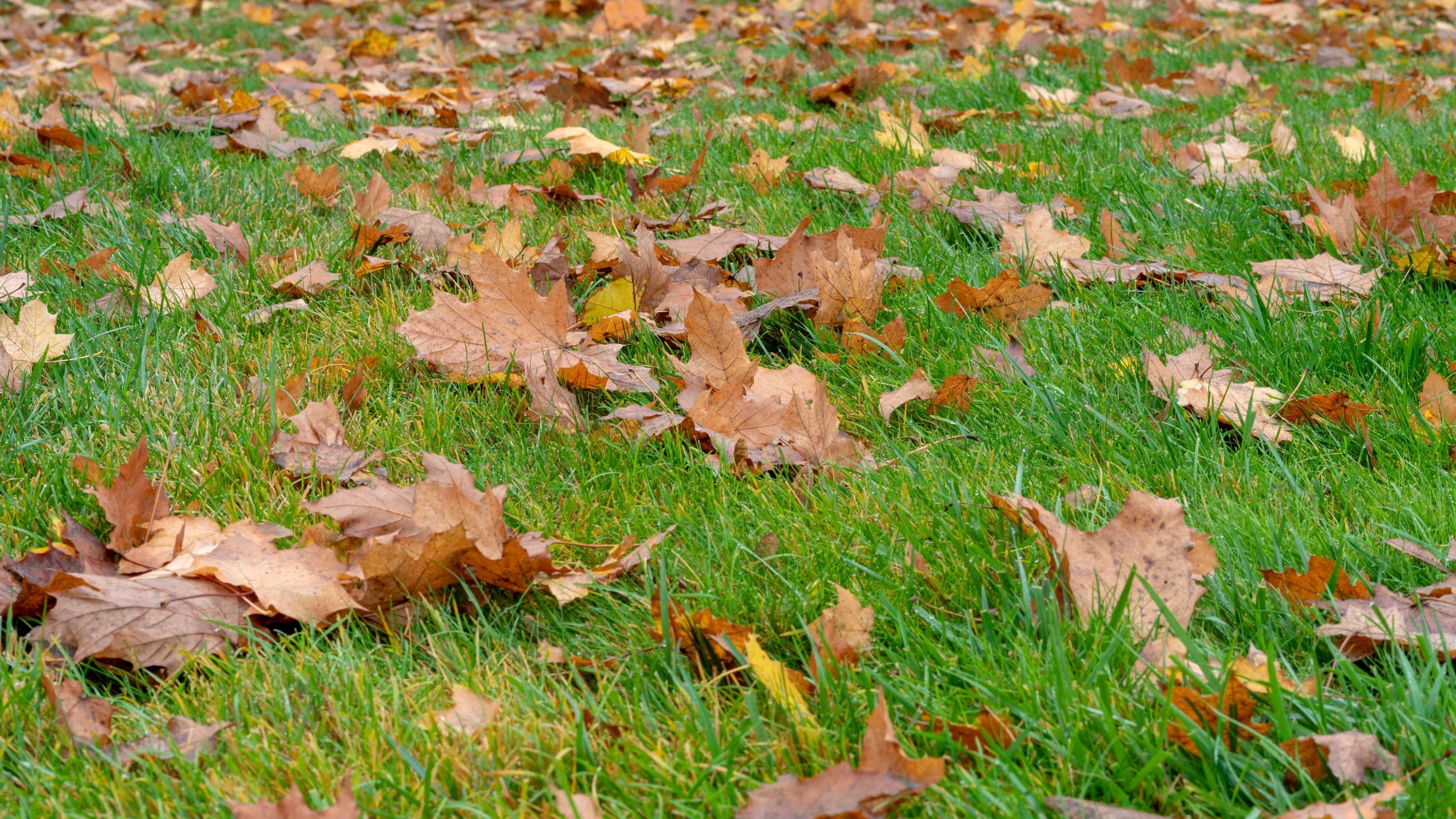
As temperatures begin to drop during November, you may notice moss beginning to creep back into the lawn with the damper conditions. To help combat this, TopGrass applies an iron-based micronutrient spray, as part of our Late Season Treatment, that helps to control and stop moss growth.
The damp, mild conditions that often occur in November create perfect conditions for moss. While your grass slows down, moss is entering its peak growing season. Without intervention, moss can spread rapidly during autumn and winter, colonising any thin or bare areas and competing with grass for space.
This is also the time to think about lawn traffic. Wet, cool lawns are surprisingly vulnerable to damage. Soil that was firm and resilient in summer becomes soft and easily compacted. Heavy use during winter can cause lasting damage that only becomes apparent in spring.
What To Do
Watch Out For
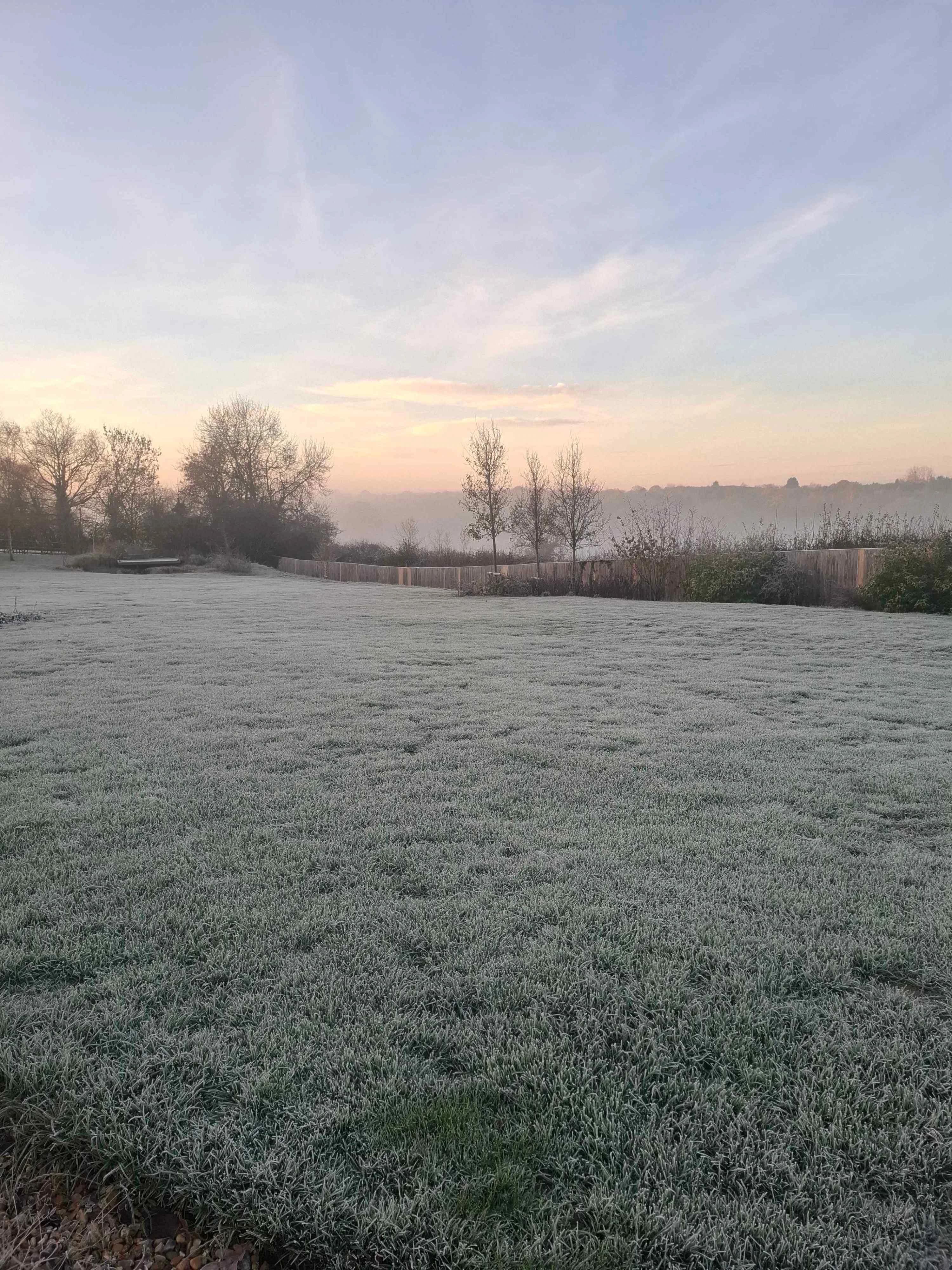
December offers little opportunity for active lawn care. With the shortest days of the year, cold temperatures, and often wet or frosty conditions, your lawn is fully dormant. Growth has stopped, and the grass plant is simply waiting out the winter.
This doesn't mean December is without lawn care considerations, however. The decisions you make now—particularly about where you walk and how you treat the lawn during frost—affect what you'll find when spring arrives. December is about protection rather than improvement.
The festive season often means more garden activity than usual—children playing outside, parties with guests, Christmas tree installations. Be mindful of your lawn during these activities. Damage that occurs to dormant grass doesn't repair itself until spring, giving it months to worsen.
December is a month of very short days with very little sunlight, where there is little opportunity to carry out maintenance on your lawn. If you do notice moss beginning to grow and spread across your lawn, we would recommend lightly raking it out to help keep on top of it.
What To Do
Watch Out For
Practical lawn care tips from the Top Grass team.
Marketing Manager
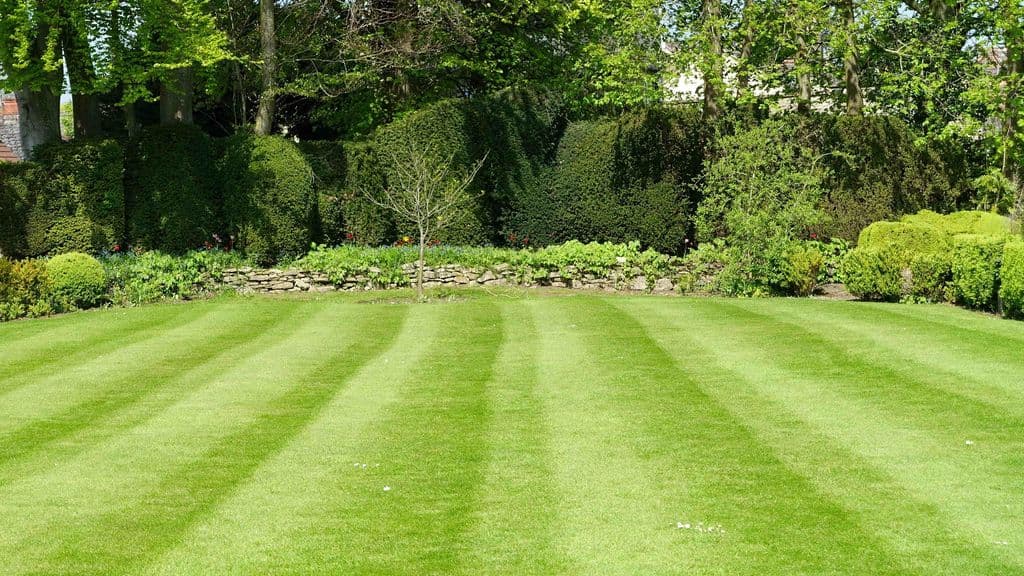
When summer has arrived and temperatures have risen, it is the best time of the year to be outside enjoying your garden space and more importantly, your lawn.
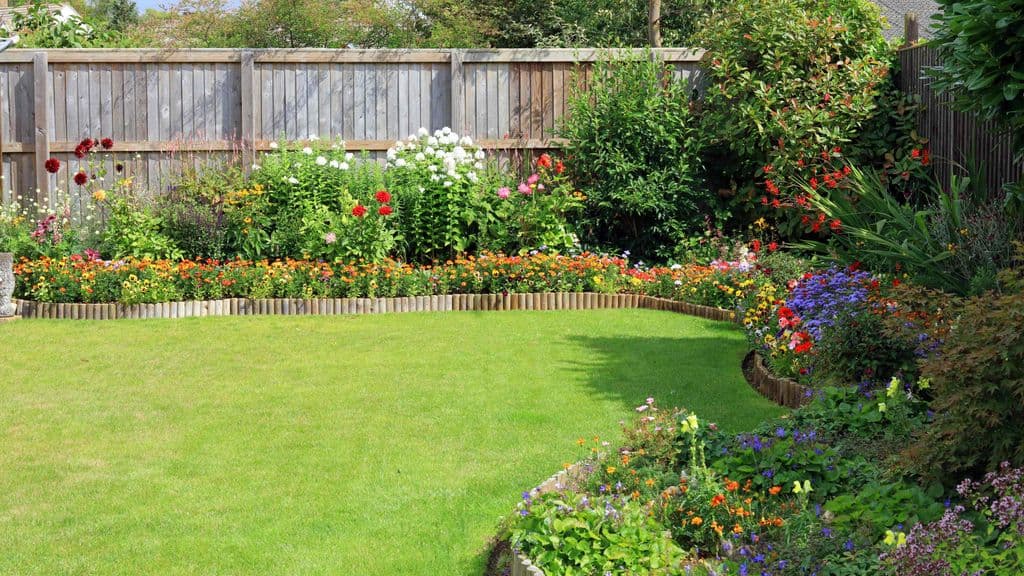
As temperatures start to rise, it’s the perfect time for spring lawn care in the UK. Whether you’re looking for affordable lawn care plans, tackling patchy areas, or investing in complete lawn treatment, spring is when your garden wakes up and needs your attention.
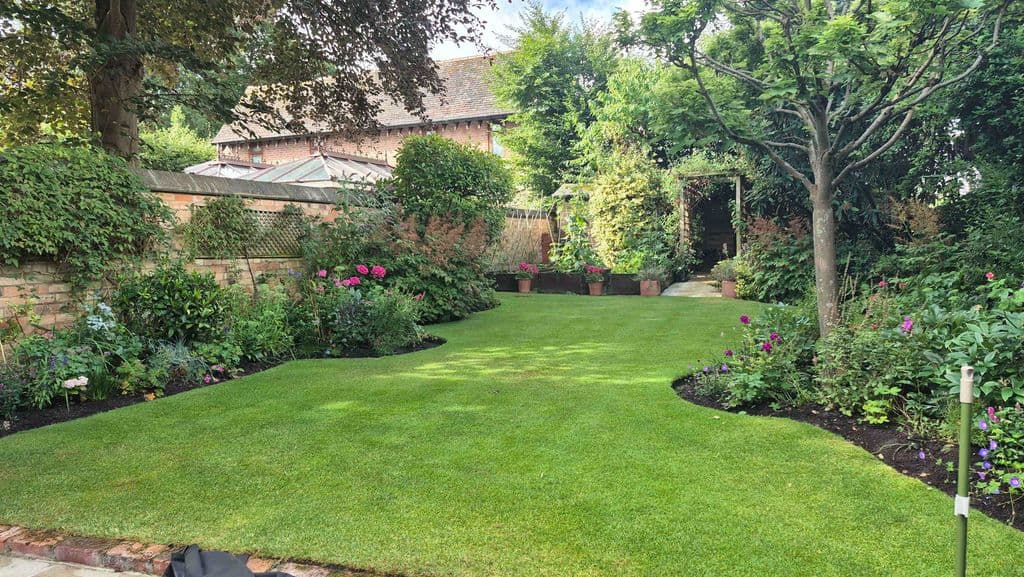
As we enter the later months of the year and temperatures begin to cool, autumn is the perfect time to focus on your lawn.