
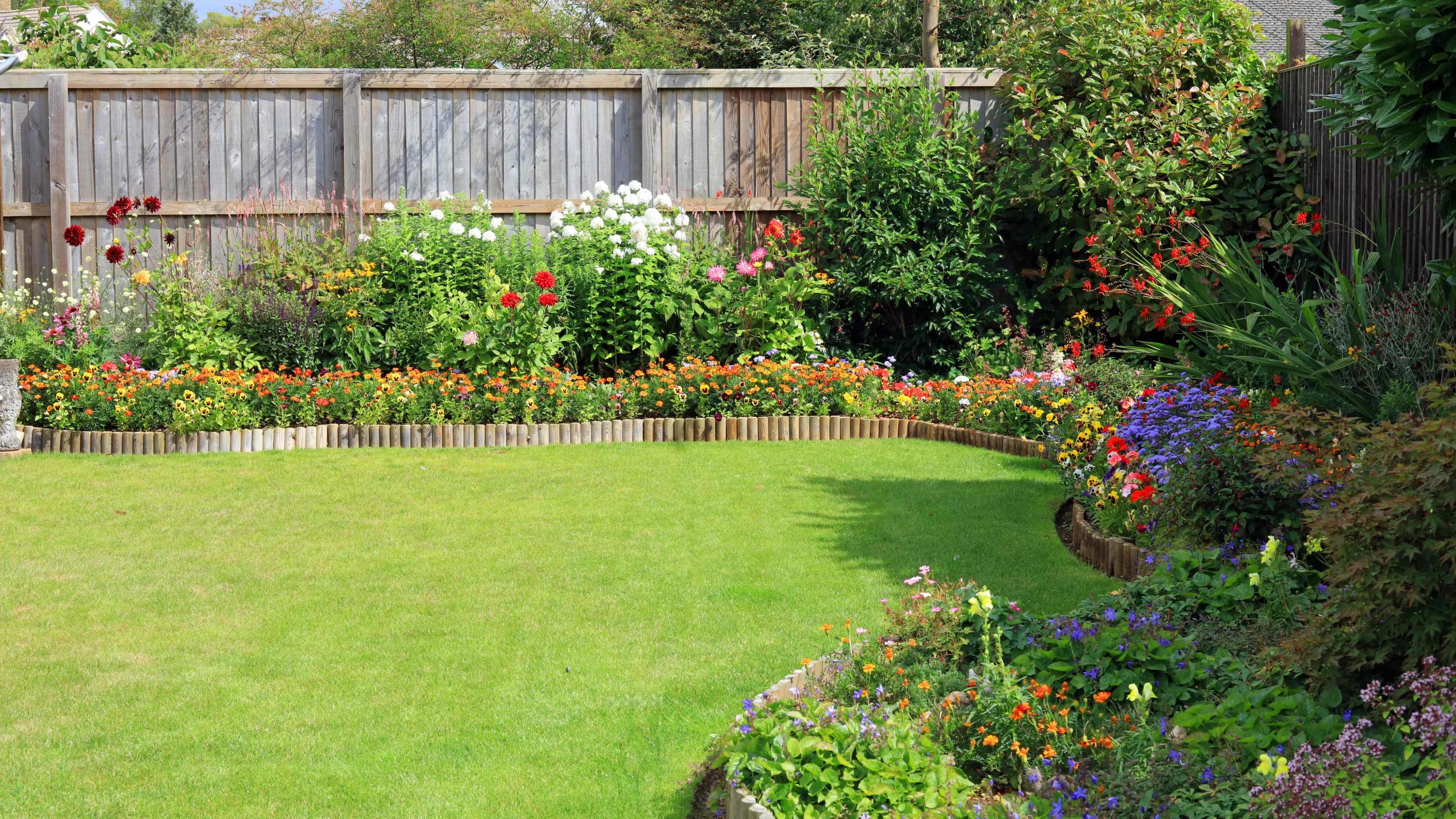
As temperatures start to rise, it’s the perfect time for spring lawn care in the UK. Whether you’re looking for affordable lawn care plans, tackling patchy areas, or investing in complete lawn treatment, spring is when your garden wakes up and needs your attention.
From affordable lawn care plans to complete grass maintenance packages, TopGrass is your trusted choice for professional lawn treatment services this spring.
We offer everything from local grass care to best-in-class seasonal treatments tailored to UK conditions.
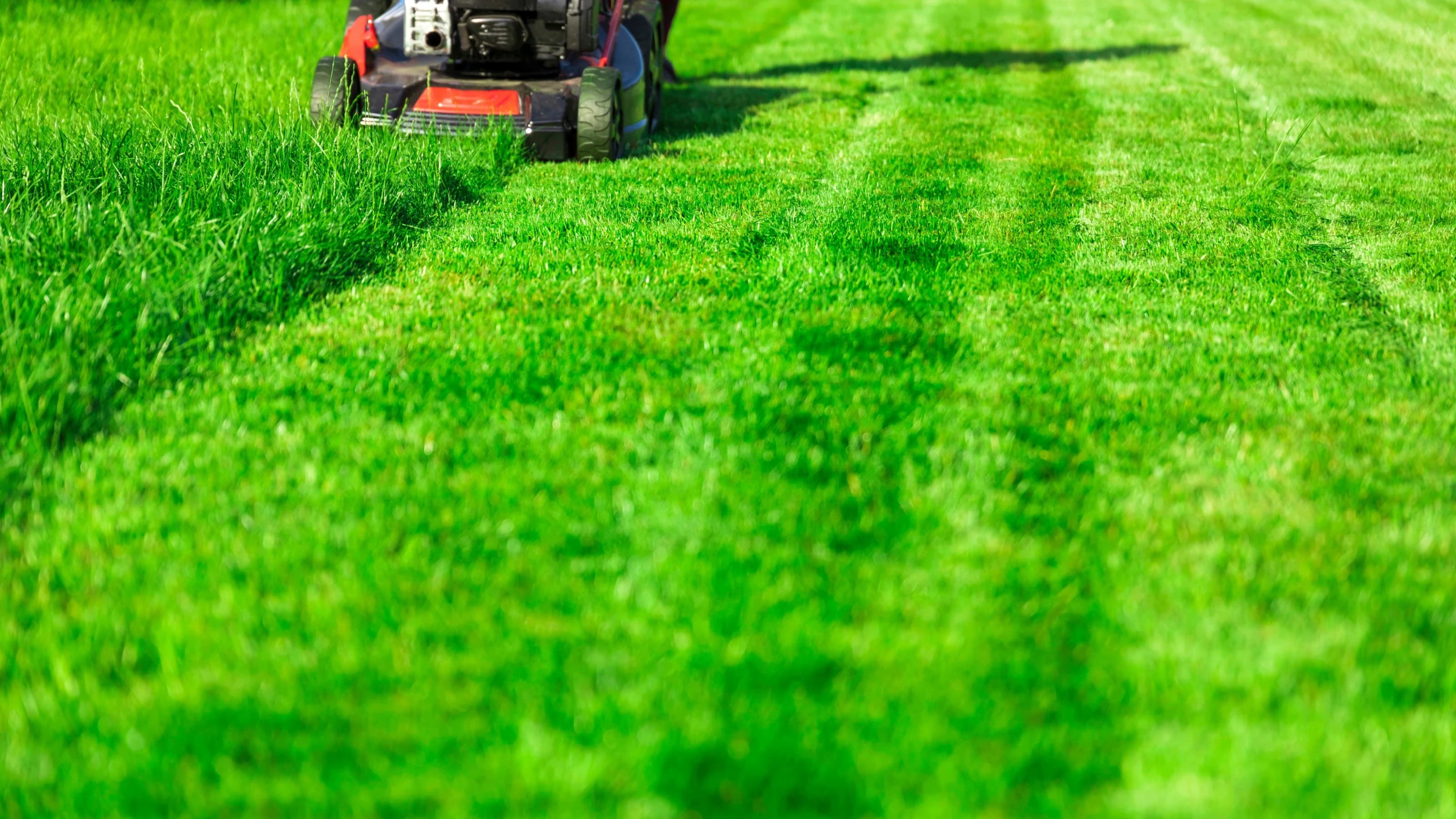
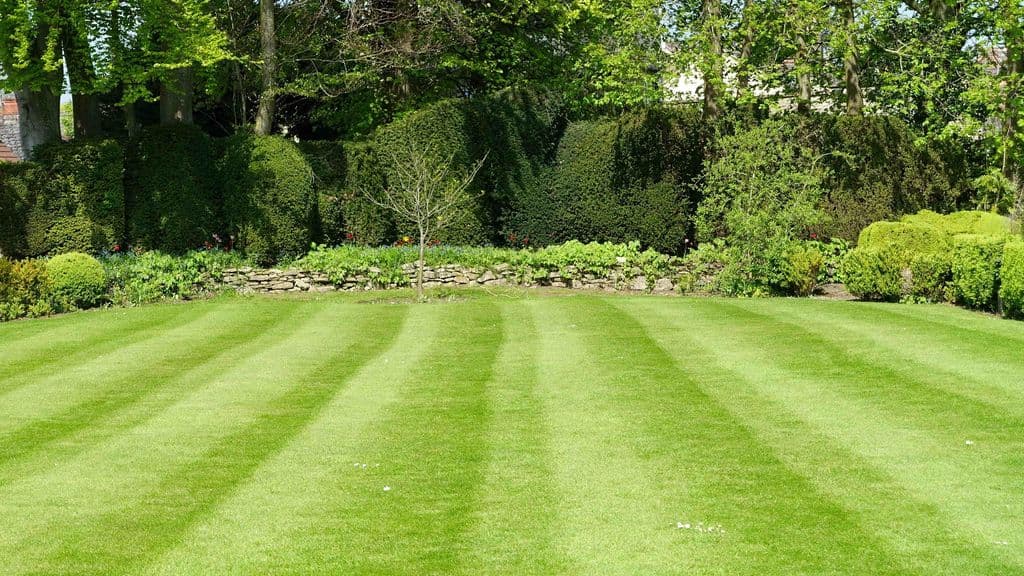
Regular mowing is one of the most effective ways to support your grass care routine in early spring. Our local lawn care experts recommend keeping mower blades sharp and initially mowing to a height of 2-2.5 inches, which can then be reduced to 1-1.5 inches when good growing conditions begin. Do not mow your lawn below a height of 1 inch, as this can scalp your lawn and weaken it, leaving it vulnerable to competition from weeds.
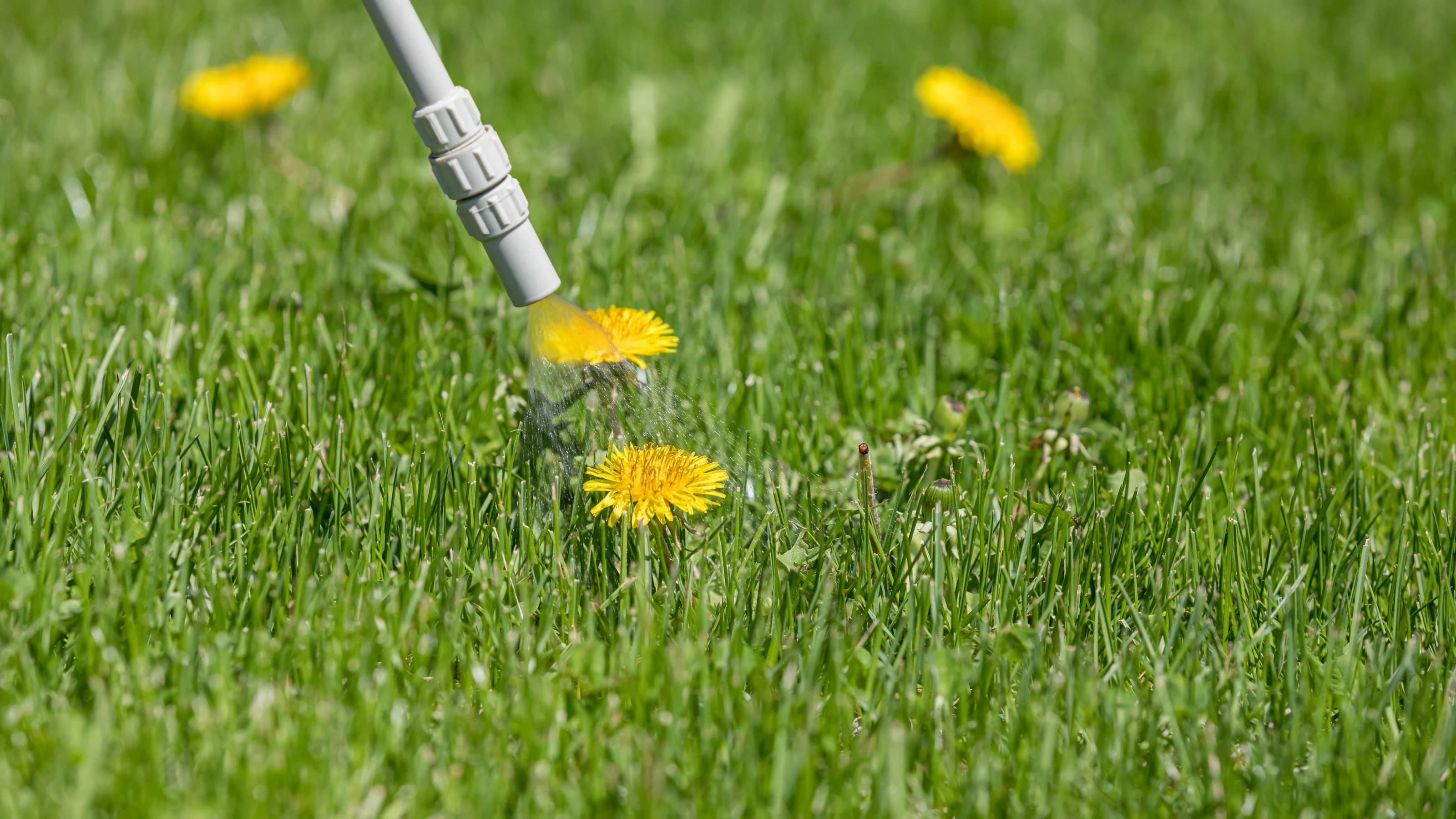
As temperatures start to increase with spring, you will begin to notice invasive weeds creeping into your lawn. Weeds can outcompete and smother your grass so it is important to control these unsightly plants. Weeds are a common problem tackled in our affordable lawn treatment packages, part of our seasonal lawn care plans. Our Selective Weed Killer, which is a part of both our Early Season Treatment and Mid-Season Treatment, will help you control and reduce weed growth in your lawn.
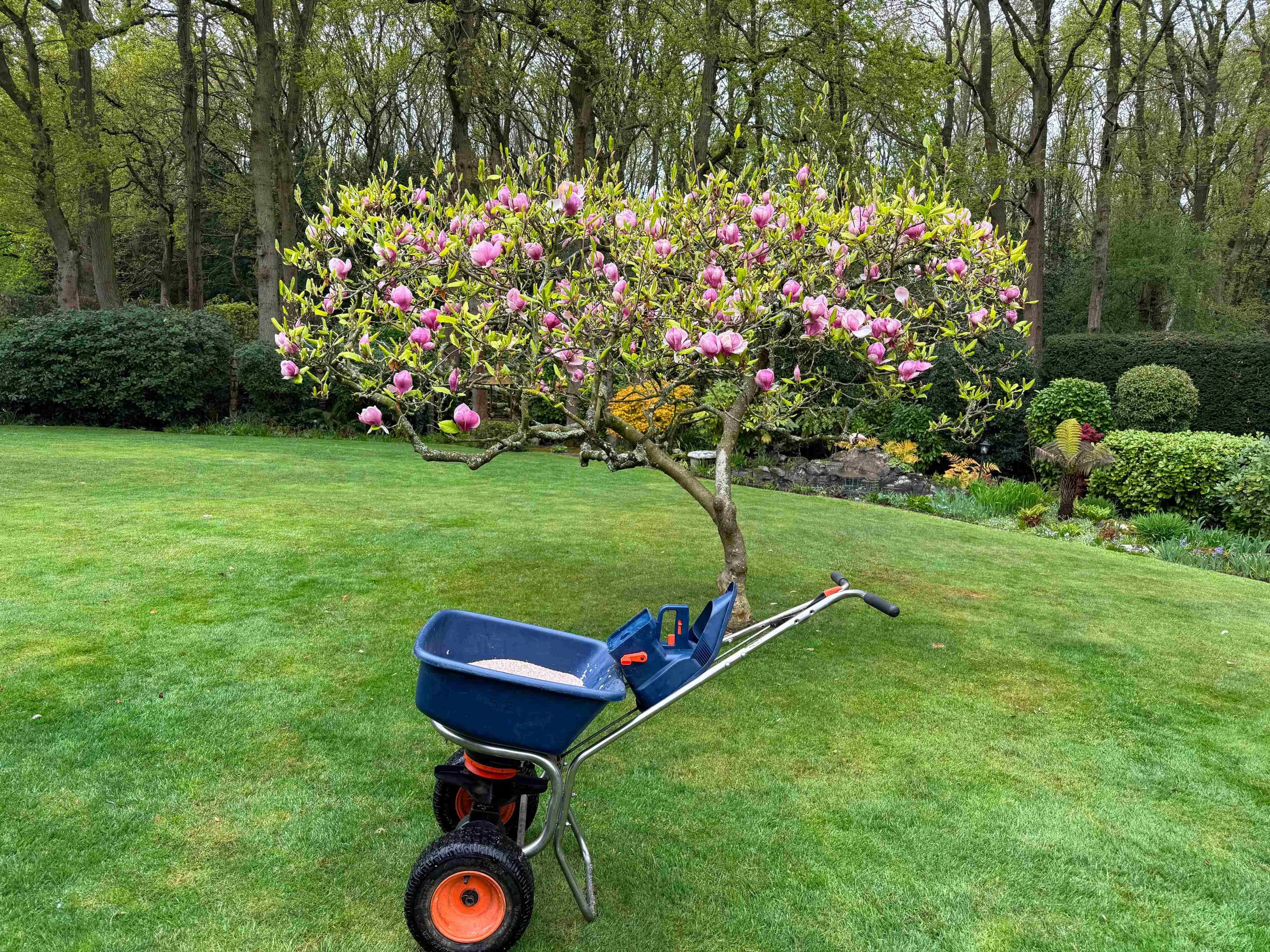
Fertilisation during spring is essential for strengthening your lawn and boosting growth. Fertiliser helps to provide your lawn with the essential nutrients it needs to ensure a healthy lawn. Our Season Starter Treatment, Early Season Treatment and Mid-Season lawn care treatments all contain a fertiliser application that will give your lawn a much-needed boost.
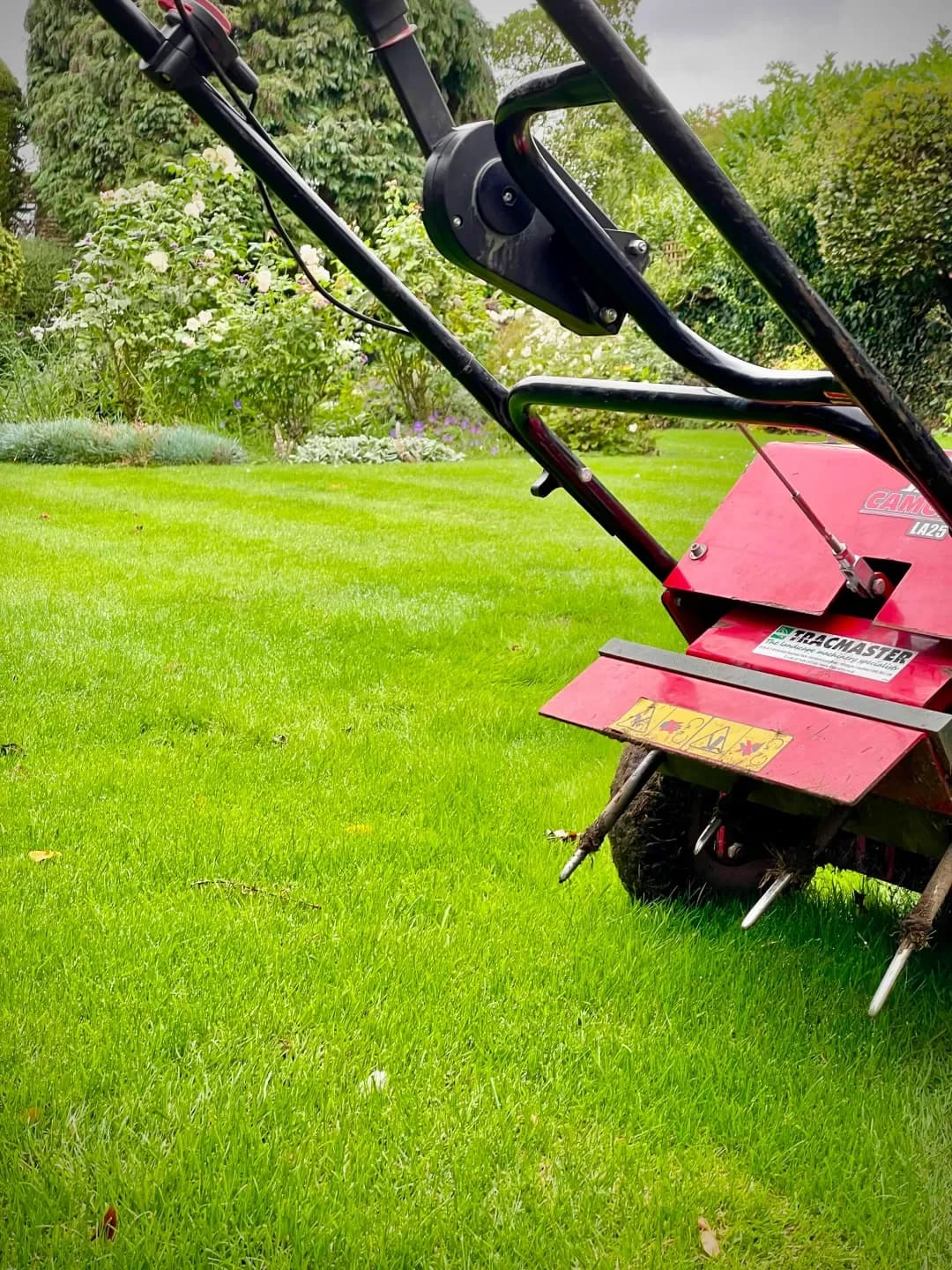
The spring period is also a great opportunity to have your lawn aerated. Aeration helps to decompact your lawn by punching holes in the lawn that allow moisture and nutrients access to the root zone of the grass plant. Your lawn may become compacted over the winter, so aeration is a vital way of alleviating this.
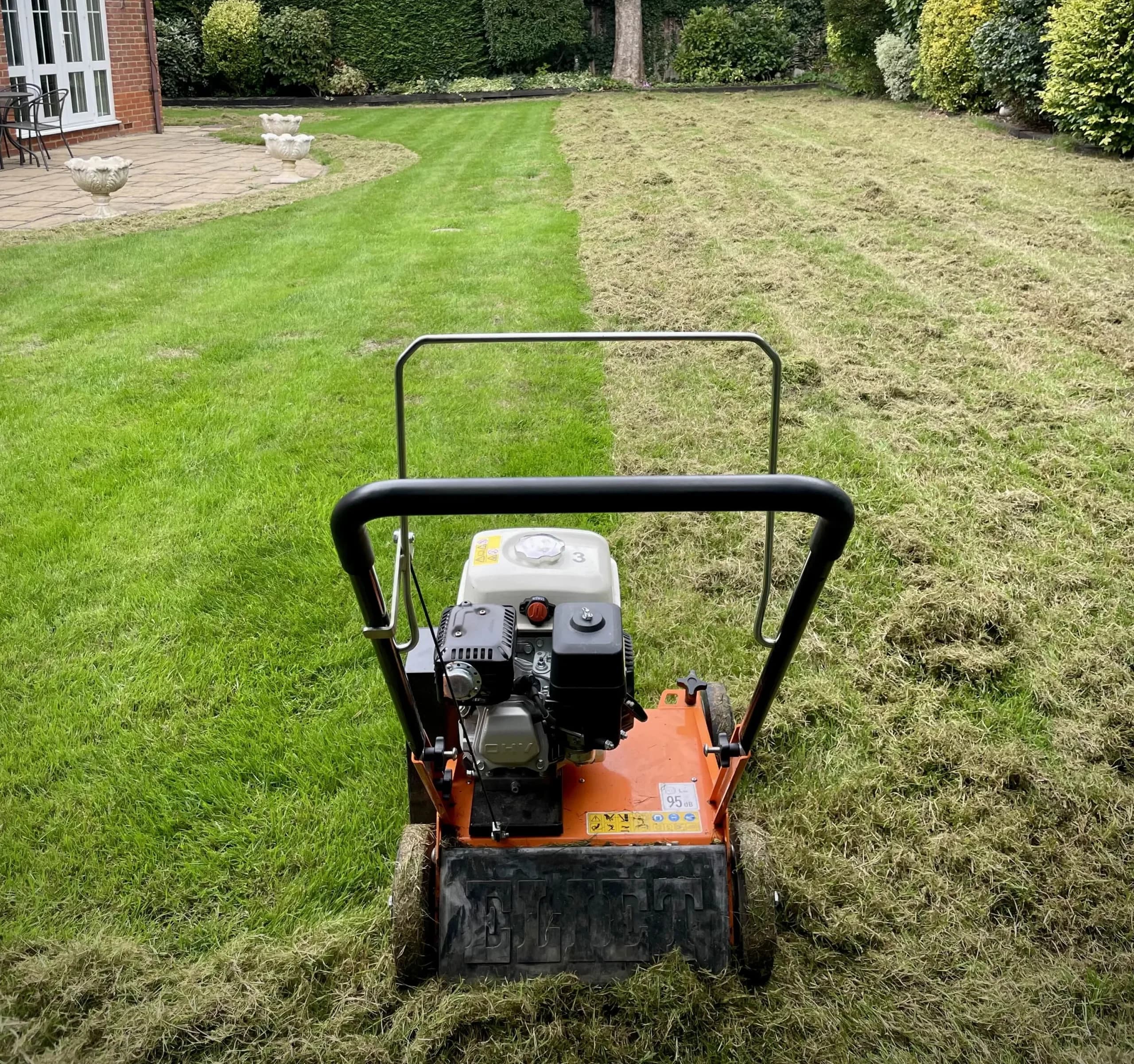
Scarification is the process of removing thatch (dead organic matter) and moss from your lawn. This is done using a scarifier, which has vertical blades that help to remove the moss and thatch from the lawn. Spring is a great time to scarify a lawn as it will help moisture, air and nutrients to reach the rootzone of the grass for the growing season. TopGrass provides many different levels of scarification tailored to your lawn's needs. You can click here to find out more about our scarification packages.
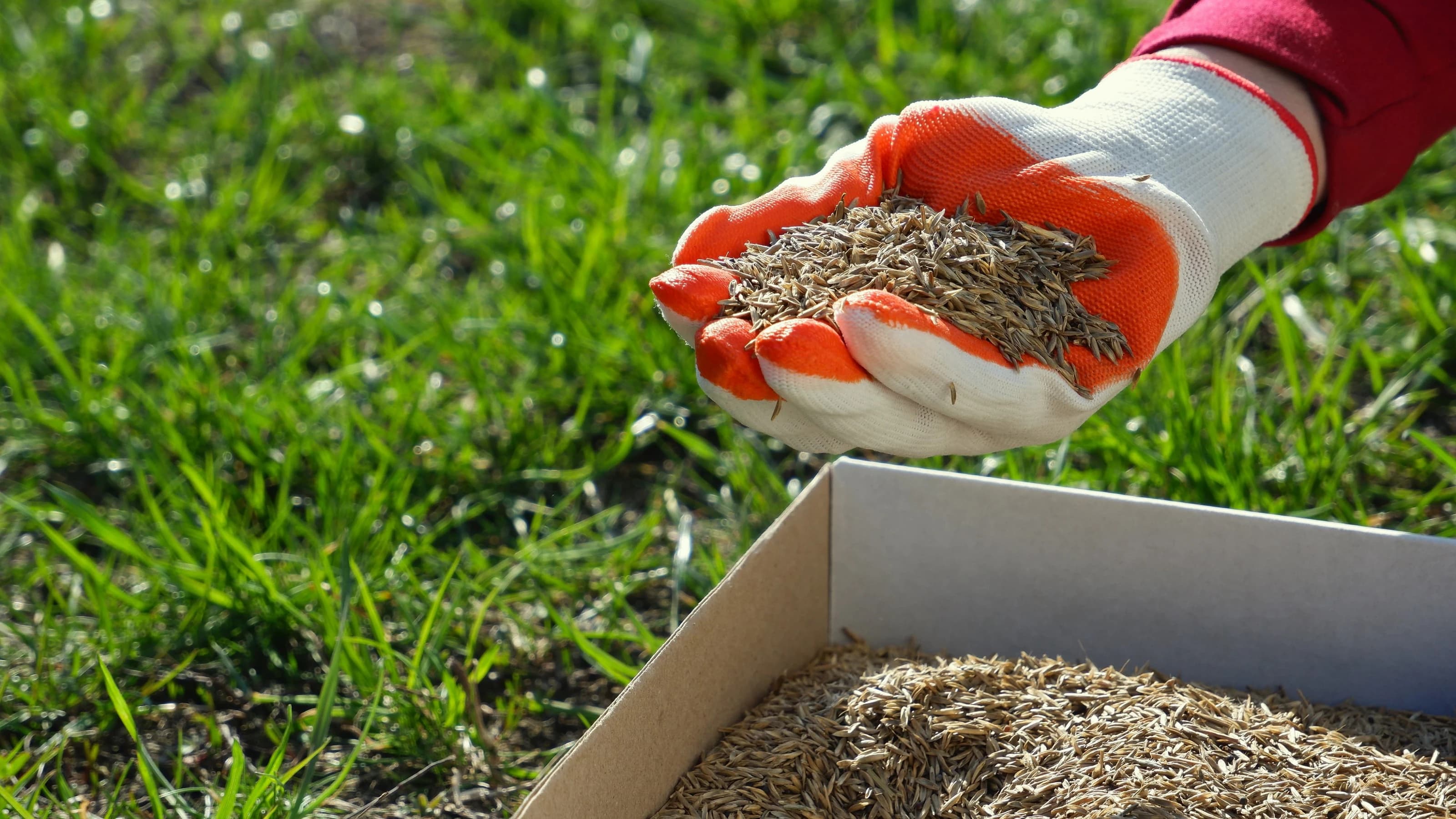
Spring may reveal that some bare patches have appeared in your lawn following the cold winter months. Spring is a good time to seed these areas, as conditions are more appropriate for germination. We would recommend that once you have spread grass seed on bare areas, to then rake the seed in so that it is covered by the soil. Watering the seeded areas is important to encourage germination. If your lawn requires more serious levels of seeding then you can click here to learn about our Total Reseed Renovation service.
From affordable lawn care plans to complete grass maintenance packages, TopGrass is your trusted choice for professional lawn treatment services this spring.
We offer everything from local grass care to best-in-class seasonal treatments tailored to UK conditions.
Yes, spring is a great time to scarify your lawn. The milder temperatures and wetter conditions from April showers are optimal for the lawn’s recovery. Spring also means that grass will be in its growing season again after being dormant during the winter, and soil temperatures will be high enough to encourage seed germination.
You should start mowing your lawn when the grass has started to grow again, this tends to be when temperatures have risen above 5°C. The first cuts of spring should be mown at 2-2.5 inches which can then be lowered to 1.1.5 inches when good growing conditions occur.
Yes, spring provides ideal conditions for aeration as the soil will be moist enough to allow easy penetration for the aerator. Aerating your lawn in spring will help to encourage grass growth to help strengthen your lawn in time for summer. You should never aerate your lawn if it is waterlogged or frosty, as this will have the adverse effect of causing damage to your lawn.
Weeds can be removed manually by hand, but when doing so you want to ensure that you remove all the roots, as even if fragments of the roots are left behind, the weed can grow back. Alternatively, you can have TopGrass apply our Selective Weedkiller for you, which is a part of our Early Season and Mid Season Treatments. Our Weedkiller takes effect through the leaves of weeds, taking effect within two weeks of application.
Practical lawn care tips from the Top Grass team.
Marketing Manager
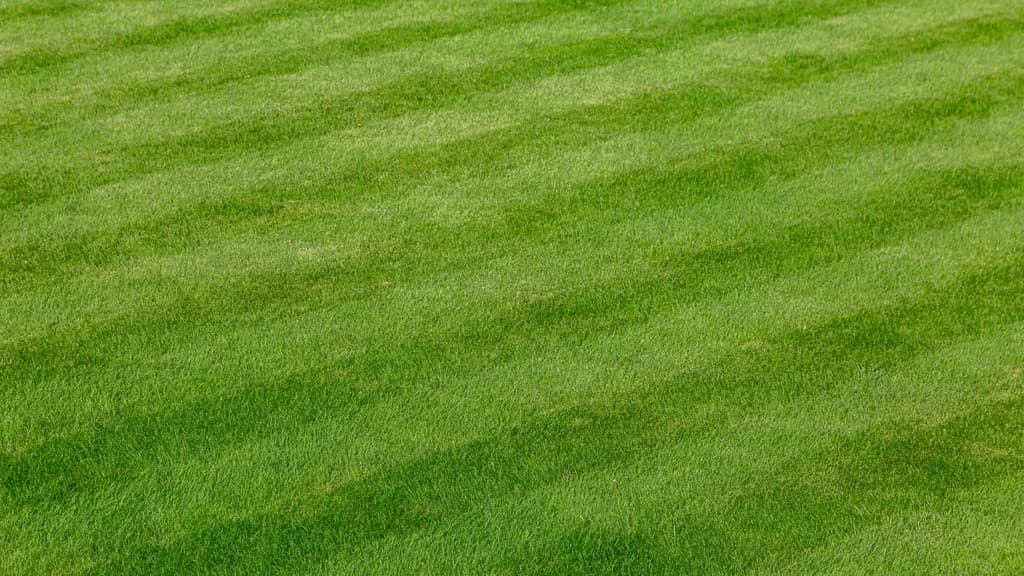
Here are TopGrass's top reasons why you should have your lawn professionally cared for!
We have provided here a handy guide on the differing weather conditions we experience here in the UK and how our services and treatments work in the different conditions.
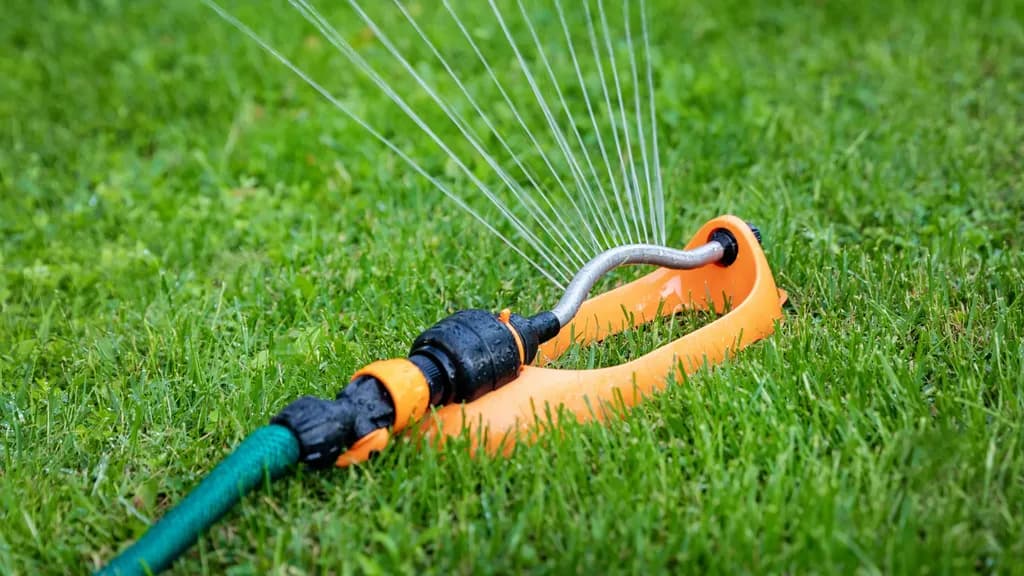
Expert Lawn Care Tips for Mowing and Watering UK Gardens