
This is your TopGrass guide to weeds with pink/purple flowers!
Pink and purple flowering weeds might look attractive at first glance, but many are invasive, persistent, and quick to spread across lawns. From low-growing purple weeds like Selfheal to deep-rooted invaders like Creeping Thistle, these plants can quickly smother healthy grass if left untreated. In this guide, we’ll help you identify the most common pink and purple flowering lawn weeds found in the UK, and explain how to get them under control.
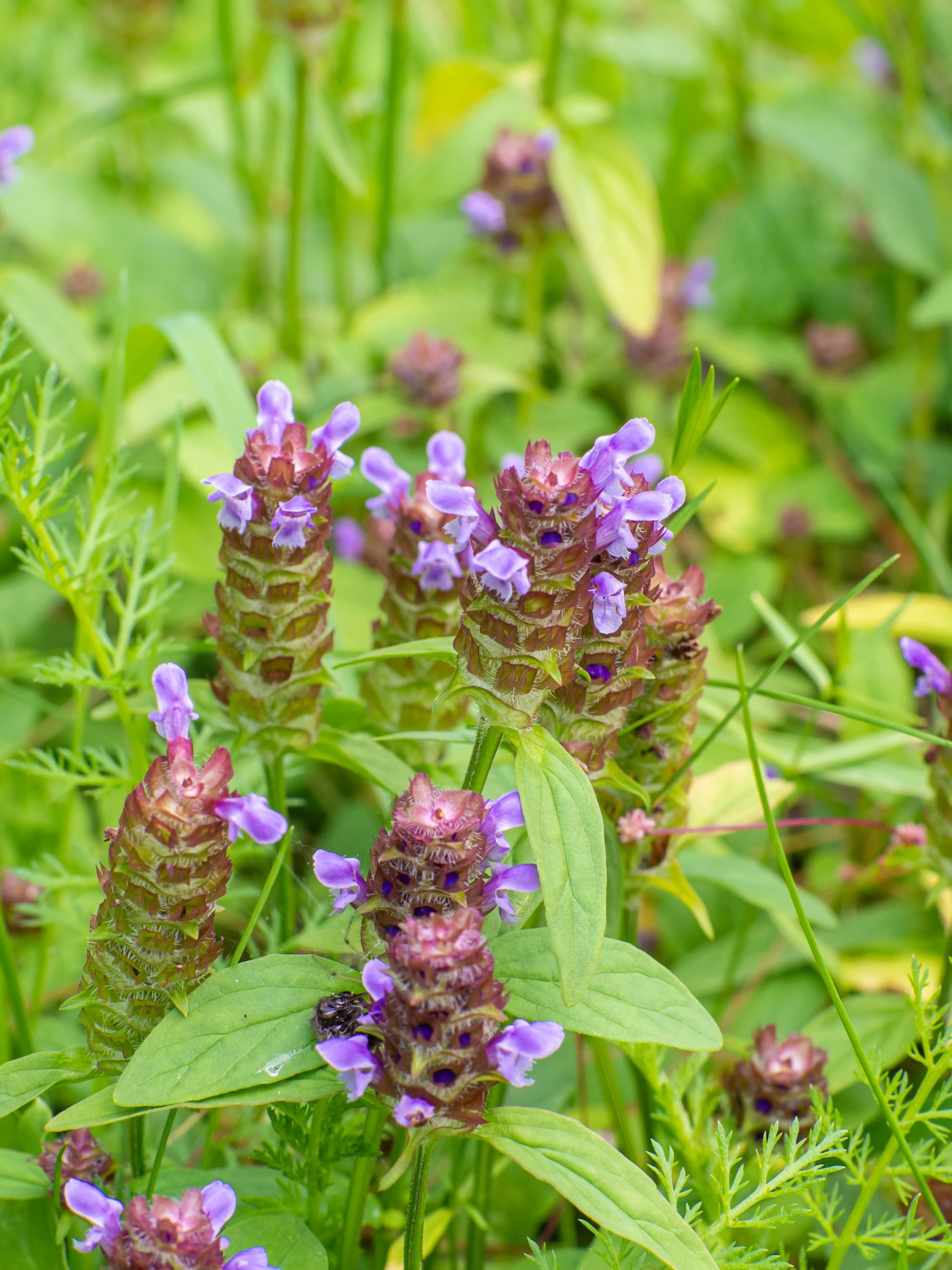
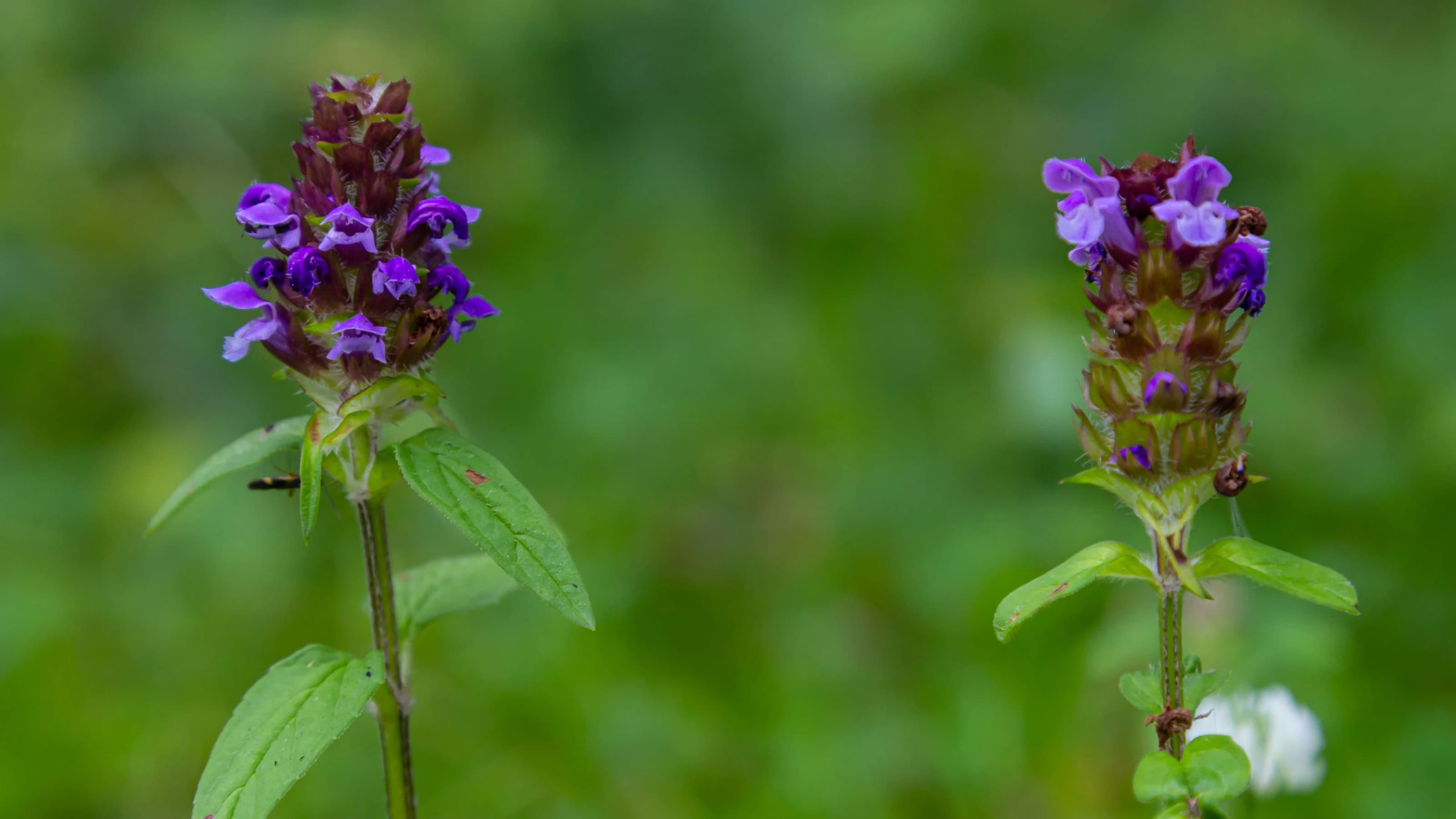
Selheal is a perennial, low-growing weed that is discernable by its dark violet flowers that are cylindrical in shape. It has oval-shaped dark green leaves and short stems.
This flowering season for selfheal is summer through to autumn, from June until November.
Selfheal reproduces through self-seeding. Selfheal can thrive even in poor-quality soils, making it a common sight in lawns across the UK.
Selfheal is a low-growing weed which means it will survive short mows. If your lawn has large numbers of selfheal growing in it, removing it manually will be too difficult to control the weed completely.
Selective weed control, which is a part of both our Early Season Treatment and Mid-Season Treatment, can help to tackle selfheal.
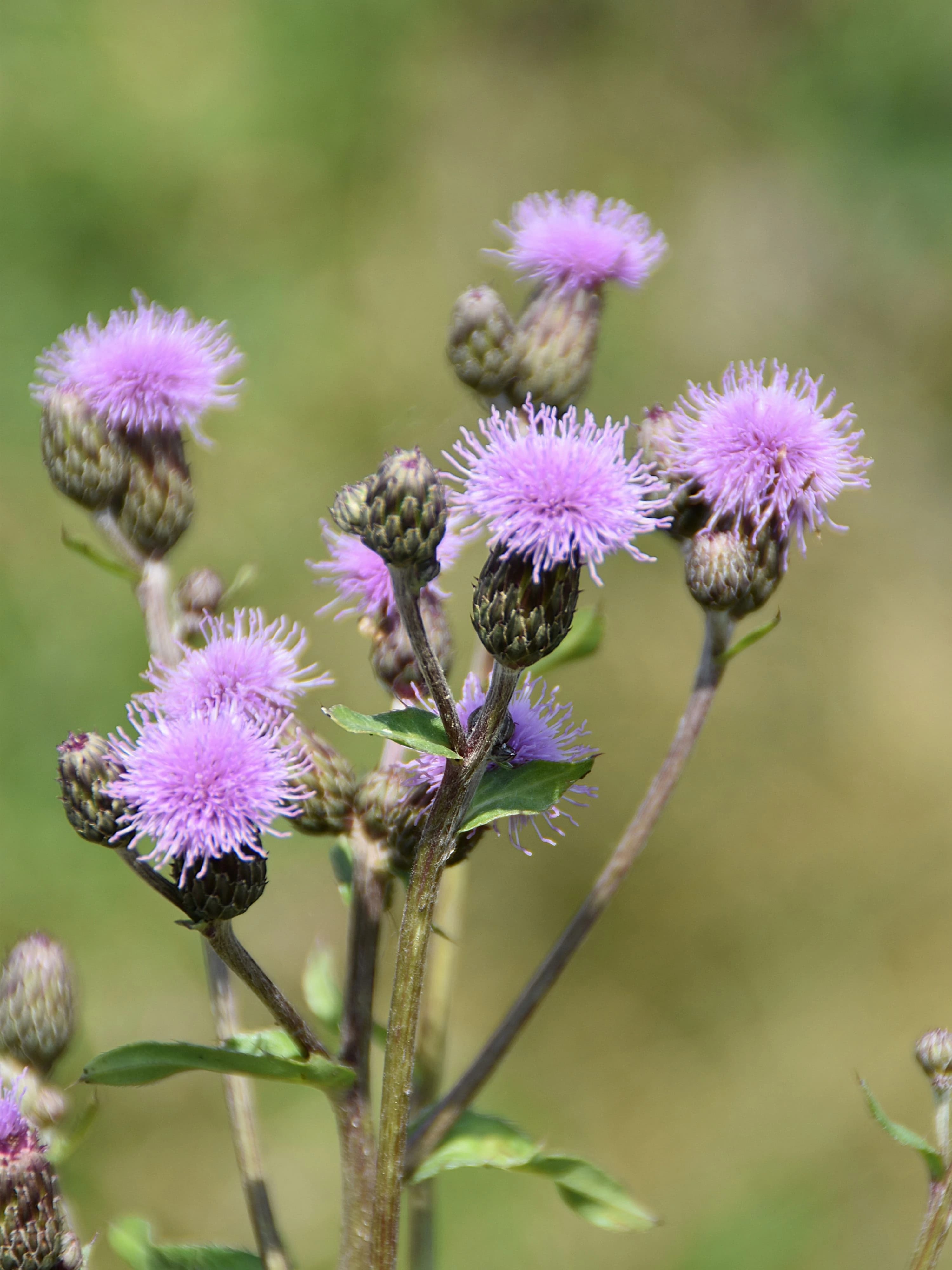
Creeping thistle is most recognisable through its bright, purple flower heads and its fur-like seedheads. Its leaves are long with spires along its edges.
Creeping thistle flowers during summer to early autumn, from June to September.
Creeping thistle has a deep taproot system of lateral roots meaning it can quickly anchor and establish itself into lawns.
Creeping thistles can smother lawn grasses and outcompete them for essential nutrients. Their fluffy seed head contains hundreds of seedlings that are dispersed by the wind, meaning that creeping thistle can quickly proliferate across lawns. Additionally, digging up creeping thistle to remove can be challenging due to the regenerative nature of its roots when they are broken up.
Deadheading creeping thistles is important to prevent it from dispersing its seeds and spreading.
Selective weed control, which is a part of both our Early Season Treatment and Mid-Season Treatment, can help to tackle creeping thistles.
Practical lawn care tips from the Top Grass team.
Marketing Manager
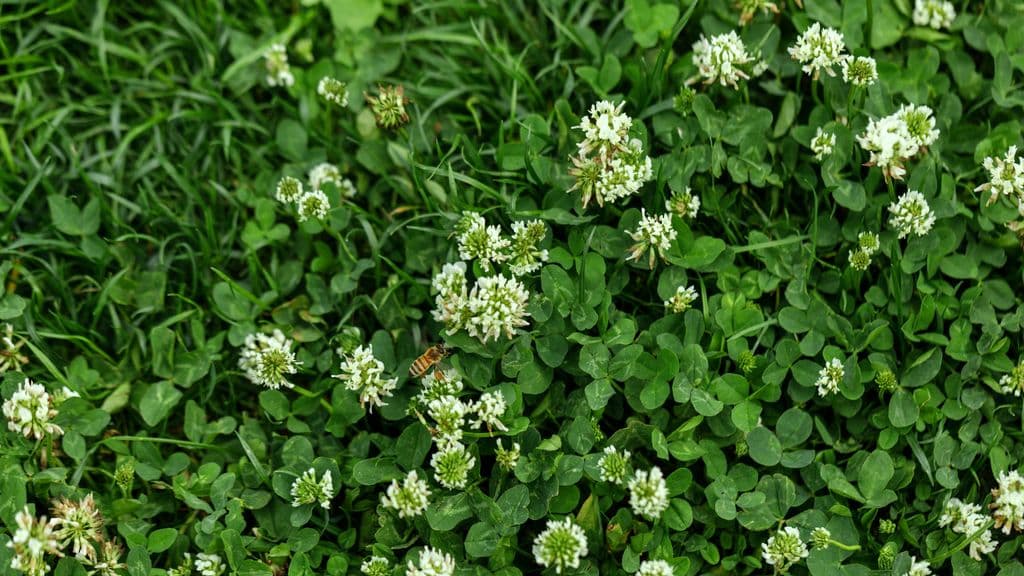
This is your TopGrass guide to weeds with white flowers!
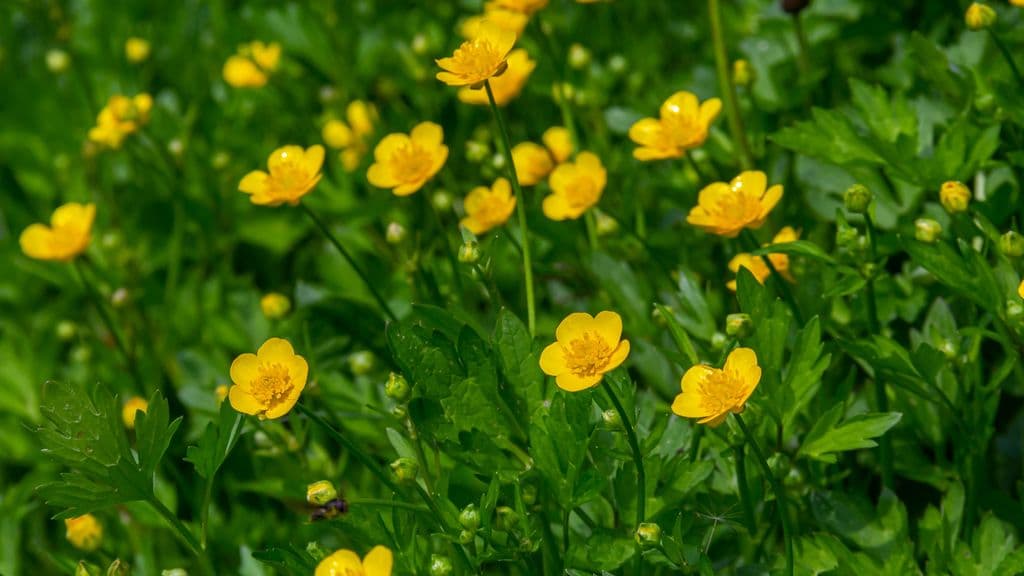
This is your TopGrass guide to weeds with yellow flowers!
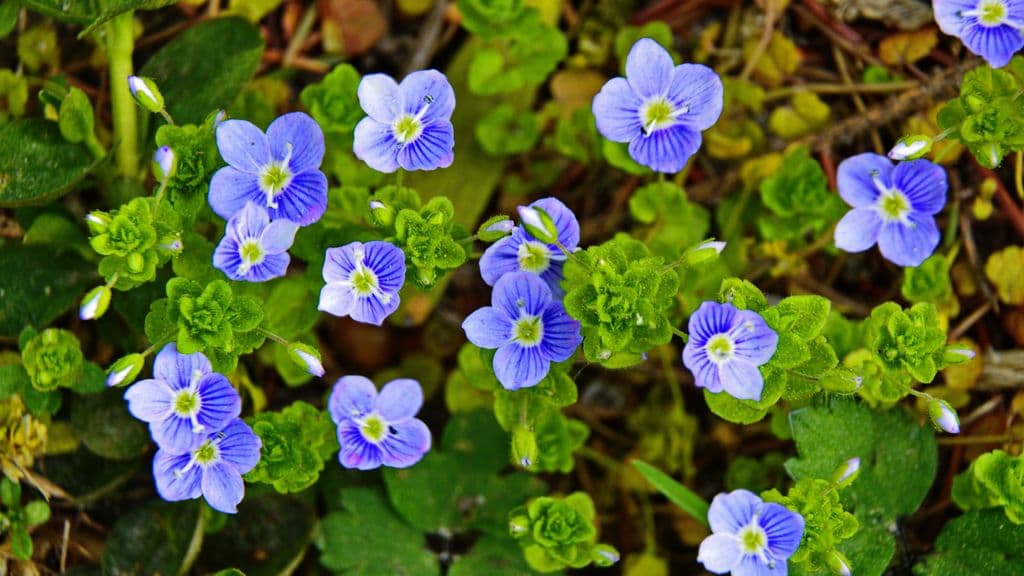
This is your TopGrass guide to weeds with blue flowers!