
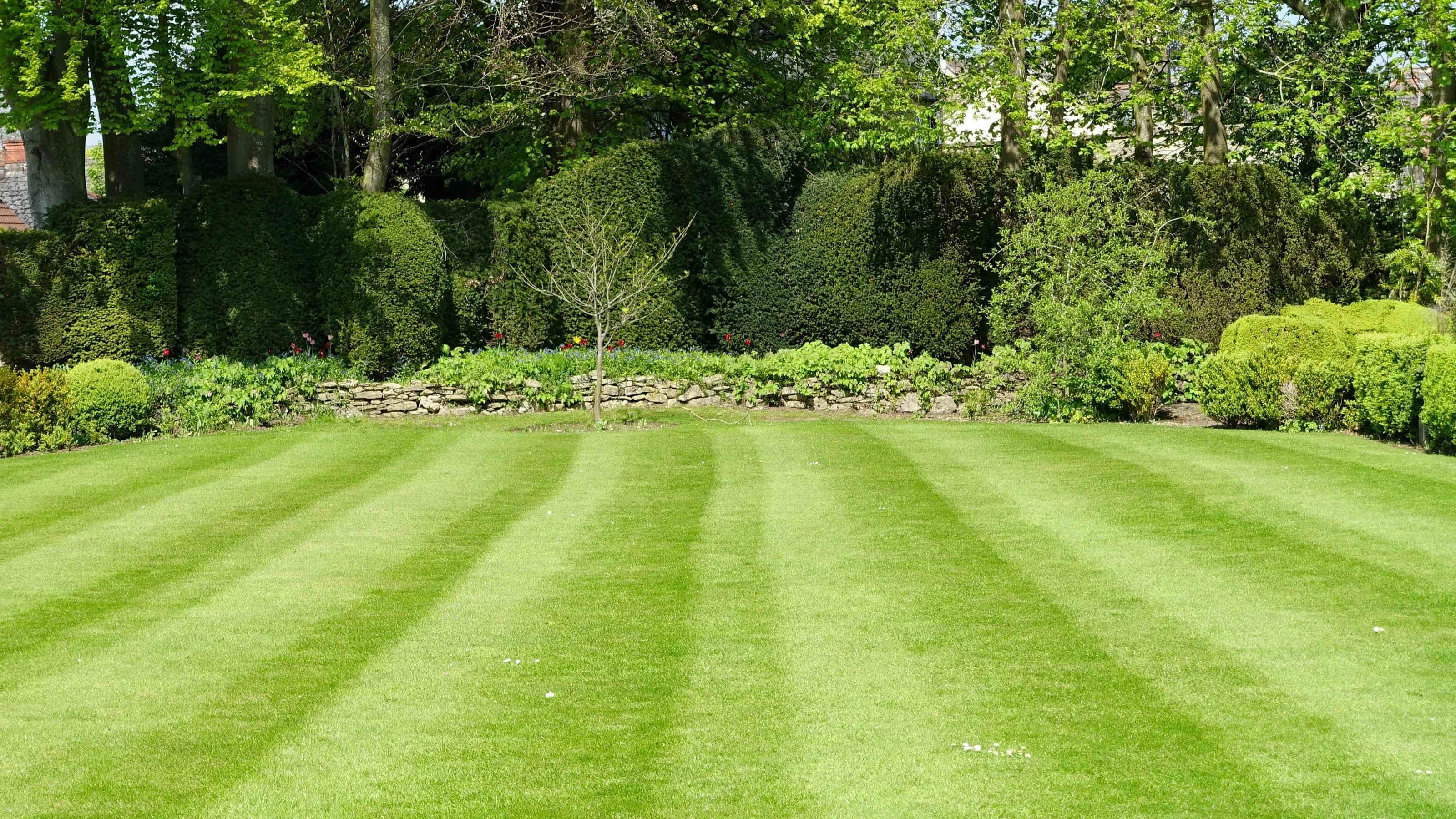
We have provided here a handy guide on the differing weather conditions we experience here in the UK and how our services and treatments work in the different conditions.
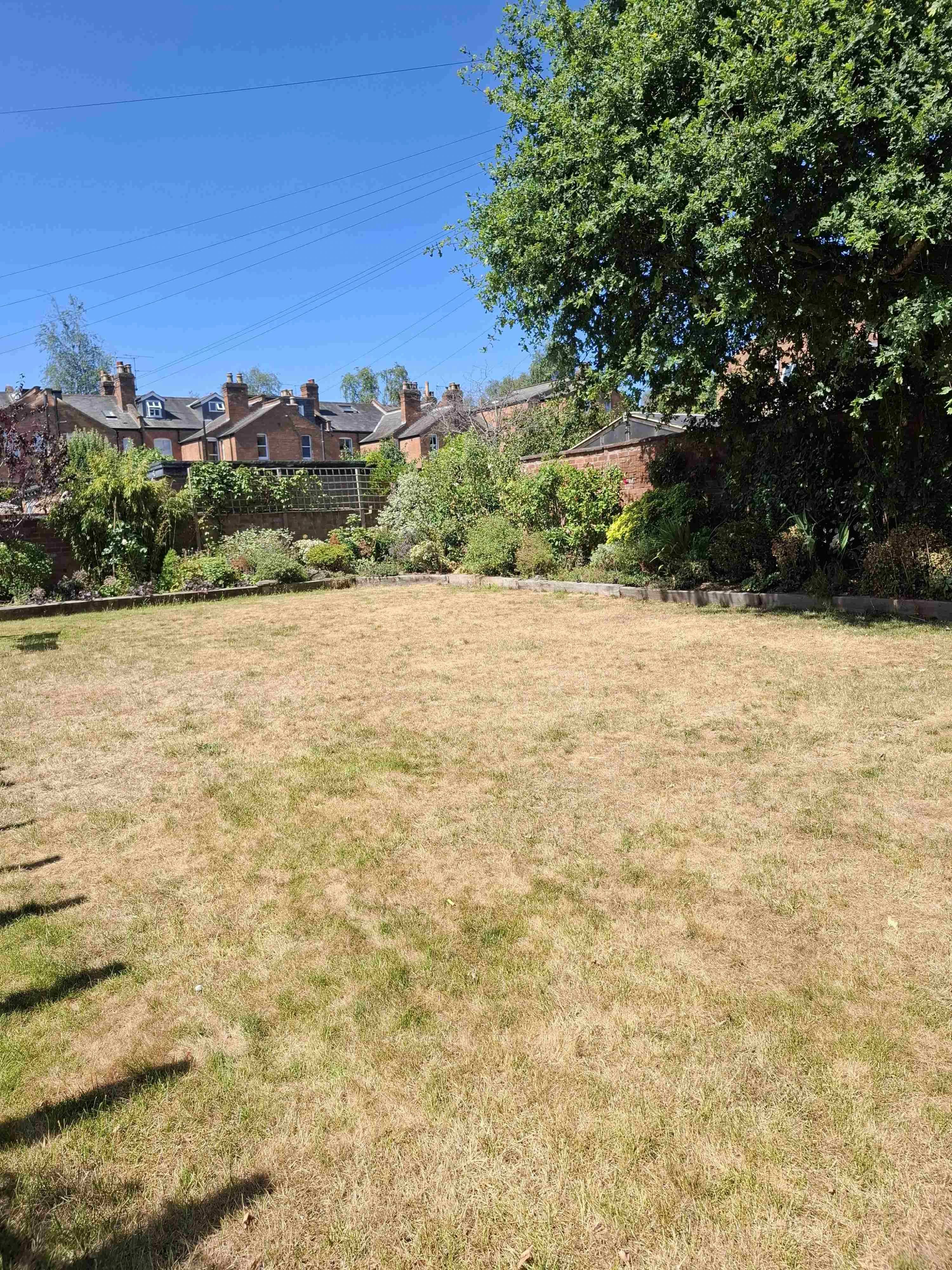
Yes. During very dry and hot conditions, your TopGrass Lawn Care Technician will use a specialist fully coated, no scorch granular fertiliser that is safe for your lawn. The technician will also apply a low volume weed control which is targeted at the weeds present and spot sprayed while still walking the whole area of your lawn.
Absolutely! The fertiliser will be highly advantageous in helping to speed up the recovery of your lawn once it begins to receive water through rainfall or irrigation. It will also ensure your weeds are kept at bay as they will still be actively growing in dry conditions due to their deeper root system.
The granular fertiliser is designed to remain in the lawn until it encounters moisture from either rainfall, early morning dew or sprinklers (if no hosepipe restrictions). The moisture slowly breaks down the coating allowing a steady release of nitrogen over the following weeks into the soil, promoting colour and growth.
Weeds are usually more visible in yellowing lawns due to the deeper root system, giving access to some moisture, therefore keeping them greener than the grass around them which has shallow roots. This means they are easy to spot and spray as they are actively growing and will still take in the weed control through the foliage.
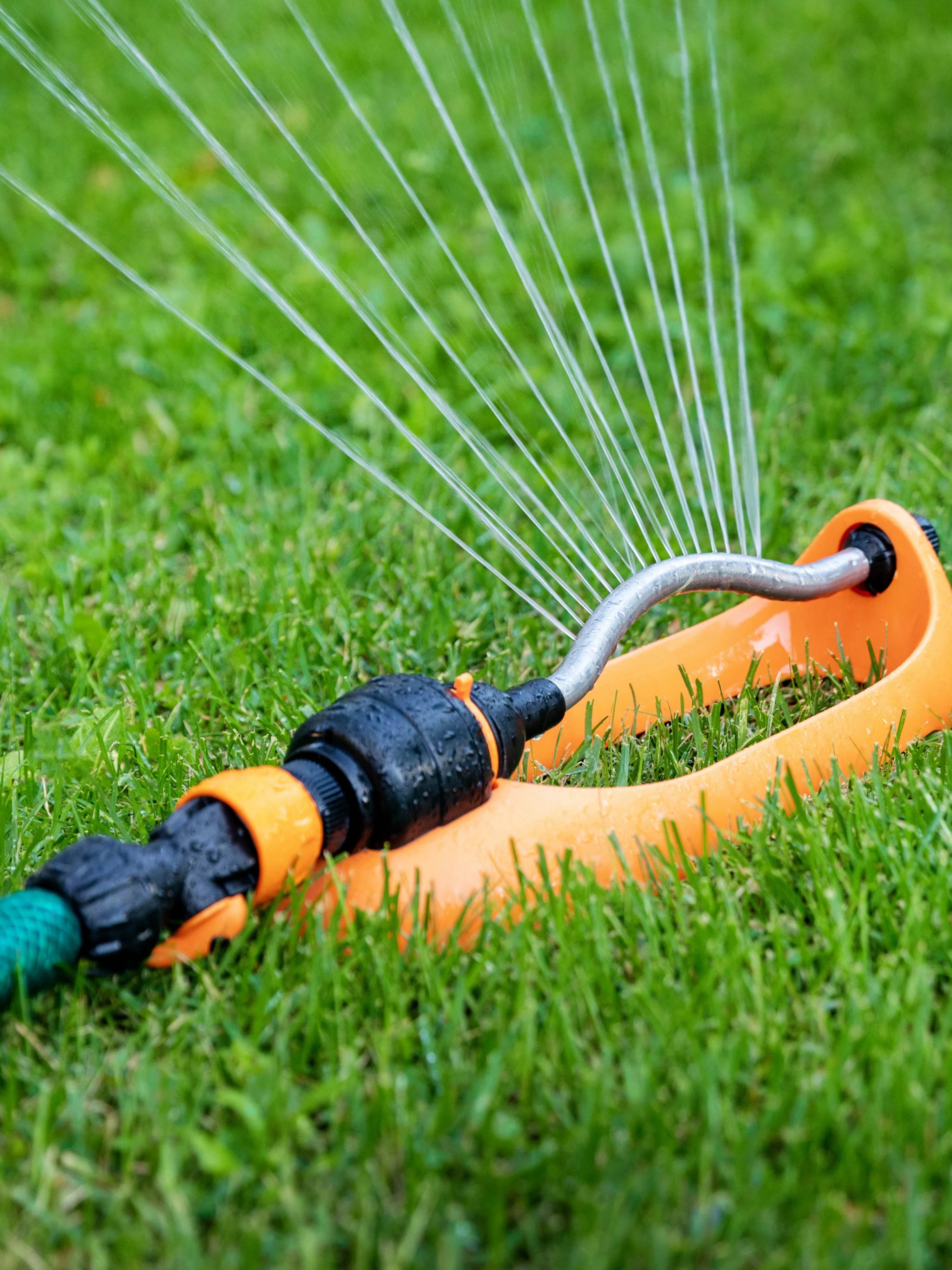
That is absolutely no problem, the fully coated aspect of the fertiliser granules ensures the nutrients are not released prior to receiving moisture and they do not need watering in. The granules will simply sit on the lawn until they receive rainwater or early morning dew before slowly releasing the fertiliser.
We also offer an annual Water Conserver Treatment which is designed to increase the absorption and retention of water in your lawn, which will help to prolong the effects of the water that your lawn does receive through rainfall and any watering you are able to do. For more information on this service, please click here.
Having our treatment means that the fertiliser is in situ for when the rain does finally arrive. This means that the time it will take for the lawn to recover is greatly reduced as it’s ready and waiting to give a growth and colour boost. If no fertiliser is present, the process of recovery will be much longer, plus you may have to wait for an appointment when the weather changes.
If you are looking to fertilise a lawn with DIY products, then yes they are correct. Our specialist fertiliser has been custom manufactured for these conditions, taking climate into account. These fertilisers are also used on golf fairways where there is no possibility of watering the products in. In fact, having your lawn treated by TopGrass will greatly improve your lawn’s recovery rate.
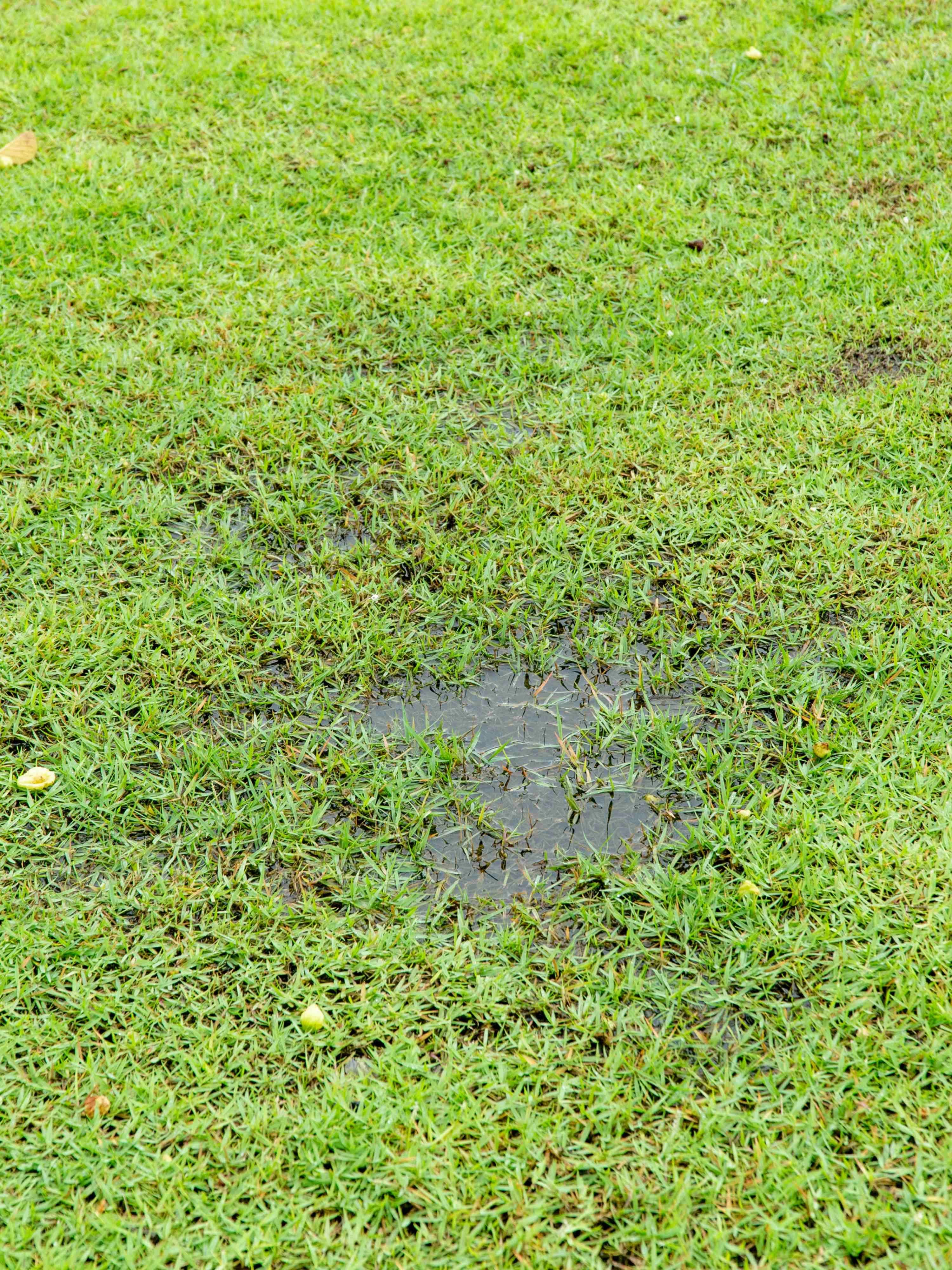
Weed treatment - During heavy rain, weed control is not usually applied as it can be washed off the weed foliage making it ineffective, however, there is an adjuvant added to our weed killers to help it stick to the leaves in light rainfall.
Fertiliser - The fertiliser applied will always benefit from rainfall as this actually speeds up the process of the product entering the soil.
Moss treatment - For moss treatments, rain is actually beneficial as it helps the product disperse into the moss and take effect.
It is probably a good idea to keep off the lawn during periods of heavy rain, particularly if the lawn becomes soft as any damage could make the lawn look very unsightly
For your own comfort, it’s not a good idea to mow in the rain. In addition, wet grass tends to clog up mowers and cut less cleanly. If the ground is soft, the mower could also cause damage to the lawn by sinking into the soil.

No treatments will take place with lying snow on the lawn. If there is snow on your lawn, we will rearrange your treatment appointment.
Light snowfall could be dispersed with a blower if required, but this is not common practice, however, it would reduce the occurrence of fungal diseases such a snow mould which can take hold if lawns are covered for more than a few days. For more information on snow mould, please click here to go to our Guide to Lawn Diseases.
It is sensible when clearing snow from drives and paths, not to pile it up high on lawns as this will take much longer to thaw and could result in encouraging the aforementioned disease.
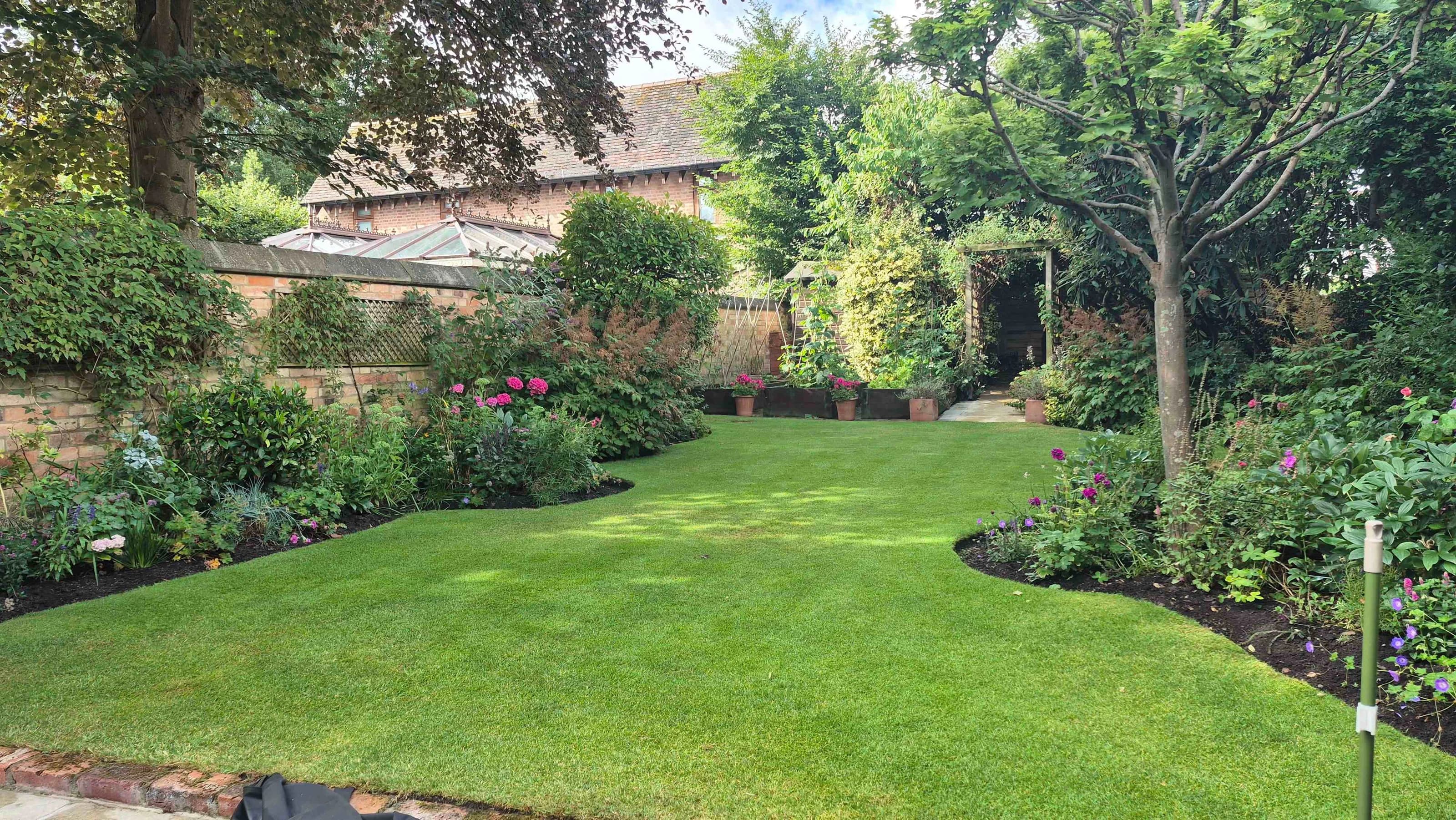
In periods of high winds, TopGrass will not spray weed treatments due to the risk of spray drifting which may affect plants and shrubs in pots and borders. It may be acceptable to spray a lawn on a windy day if it is sheltered with trees and fencing. Your Lawn Care Technician will assess the suitability of this on the day of the treatment.
Fertiliser may be applied as the granules are heavy, but should the wind be strong enough to disturb the pattern of fertiliser, then the treatment would not be carried out.
PLEASE NOTE: Our technicians all hold City & Guilds (NPTC) licences certifying competence to apply weed killers. Their judgement is exemplary in determining suitable conditions for applications.
Practical lawn care tips from the Top Grass team.
Marketing Manager
Here are TopGrass's top reasons why you should have your lawn professionally cared for!
Expert Lawn Care Tips for Mowing and Watering UK Gardens
This is your in-depth monthly guide to lawn care!